
[:en]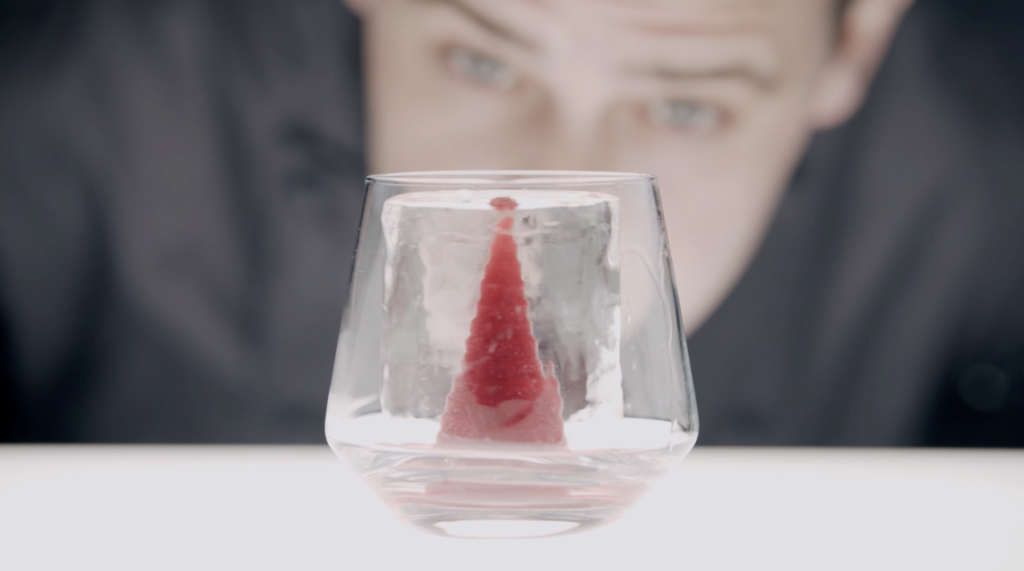
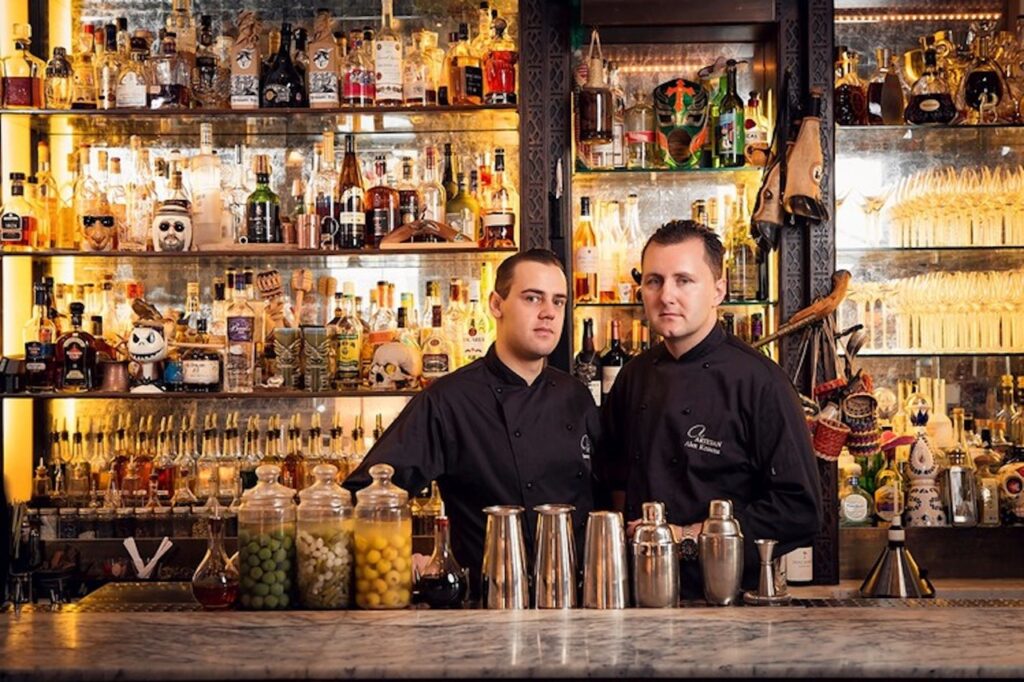
Co-protagonist of the worldwide success of Artesian – the first cocktail bar in the world according to the 50 Best Bars from 2012 to 2015 – Simone Caporale was one of the first bartenders, together with his partner Alex Kratena, to serve cocktails in containers other than the traditional glasses in the 21st century. After leaving the bar, he dedicated himself to numerous projects, including social ones, and to a new venue in Barcelona.
Hi Simone, where did you start from to become the professional you are today?
I started in the bar, like everyone else. I started working on Lake Como in 2003, picking up and washing glasses in a nightclub. I spent 5 years in Italy as a bartender, then a year in Valencia, one in Italy and then I came to London in 2009. After some experiences in medium-level bars, in September 2010 I arrived at Artesian, where they were looking for a bartender, since Marian Beke had recently left. Thanks to the help of Agostino Perrone, who allowed me to include his reference in my CV. It was surprising and I still remember it. In fact, when a young colleague writes to me I help him, because the secret to survival is to help each other.
At Artesian you had an important mentor, Alex Kratena. On what aspects did you build your success within a hotel context? In what ways was Artesian a breakthrough?
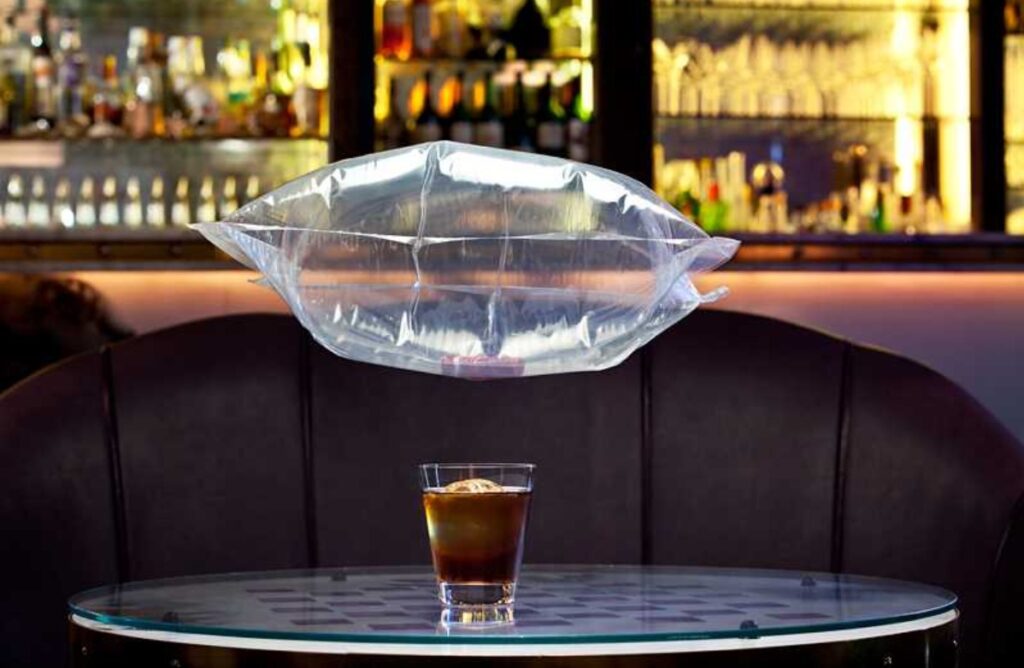
On teamwork and a very similar background. We were born in two small towns in Italy and the Czech Republic and found ourselves catapulted into a luxurious world we were not used to. So we tried to win over customers, not being afraid of making mistakes and on the contrary daring. We presented cocktails in a scenographic way and the reactions of our customers were astonishing, but I would like to emphasize the fact that in addition to the cocktails, the essence of a real bar was fundamental for us, that is, making the people who came to us feel good. I don't think the main problem of a hotel is the customer but the management, which does not want to take any risks, let alone additional responsibilities. In our case, they trusted us blindly and in this sense we had no limits. The Artesian was a breakthrough in several areas: first of all in the approach with any type of person, from the royal family to the industry worker to whom they often came to live the experience. When it came to cocktails, however, we asked ourselves why and we gave ourselves some answers. Why can't you serve a cocktail like a granita? Why can't you exaggerate the size of the umbrella inserted into the cocktail? One of the iconic ones was the one we created when we wanted to offer a different decoration for each person. So, we thought of creating a container from which you drank while looking at a mirror. It was called Forever Young and we created it in 2013. Another example is the Langham Martini, a cocktail in which the Martini was served in a brass glass covered in nickel and silver capable of maintaining a constant temperature for as long as possible. If until that moment people asked for a type of gin, from then on they asked for that glass.
What was the initial response from your customers? How did you distinguish yourself from other cocktail bars and how were you a pioneer? Did you expect to be named the number one bar in the world for 4 years in a row?
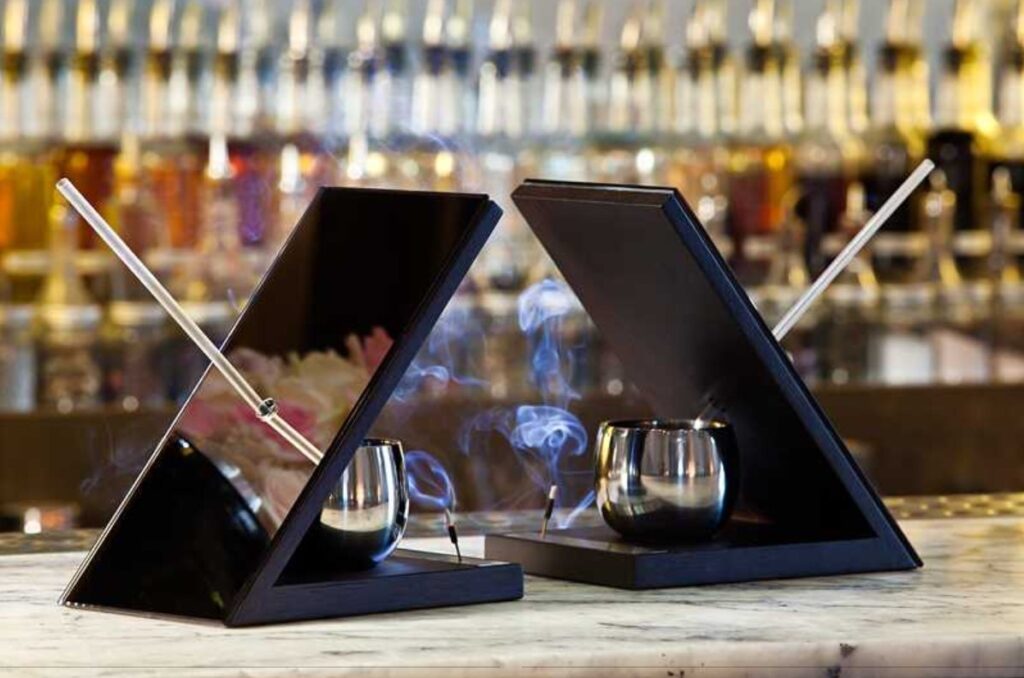
85% of people were very amused, 10% hated us, but came back every two weeks, and the remaining 5% didn't come, but sent friends to take pictures and reproduce the idea in their bar. In those years we learned that if you wait for everyone's approval you will never do anything and, in our case, we also had the support of those who didn't appreciate us. We tried, right from the start, to create our own identity in the drinking experience, which is why in the last year and a half we had 70% of external customers. We focused a lot on both the form of how to drink the drink and its content: if for the former we created the trend of serving cocktails in containers that go beyond the usual glasses - unfortunately some bars now focus too much on this aspect - for the latter we developed new flavors, such as incense and carrot, verjus and oak, thanks to the use of essential oils from plants. We never thought we would win awards like this but we believe we got them because in our restaurant time stopped and customers lived an experience.
What's the strangest thing that's ever happened to you behind the counter at Artesian? Why did you leave?
One evening there were a lady and a gentleman alone at the bar. So I thought of breaking the ice, splitting a Mai Thai (that I had just prepared by mistake in a table order) into two small glasses that I offered them. They met, made an appointment, got married, had a child and every year during their anniversary they write to me thanking me for introducing them. I left Artesian in 2015 because I no longer had any motivation. We made sure that this inertia lasted as long as possible and, at that point, Alex and I decided to develop projects together. PourDrink, one of these, is a non-profit organization that for four years has organized a free symposium with speakers from different countries, on specific topics such as the female gender, the modern professional or perfectionism. Other projects that see us as co-protagonists are the development of the Italicus brand, and Muyu Liqueurs.
What is Muyu Liqueurs?
Muyu is a line of three different liqueurs – chinotto, jasmine and vetiver – developed with Alex Kratena and Monica Berg. They are three easy-to-mix products, distributed in Italy by Velier, with good acidity, excellent to drink neat or paired with a vermouth or an aged spirit. I am a partner in the company, the best condition in which I feel encouraged to work on projects, because results are achieved only through effort.
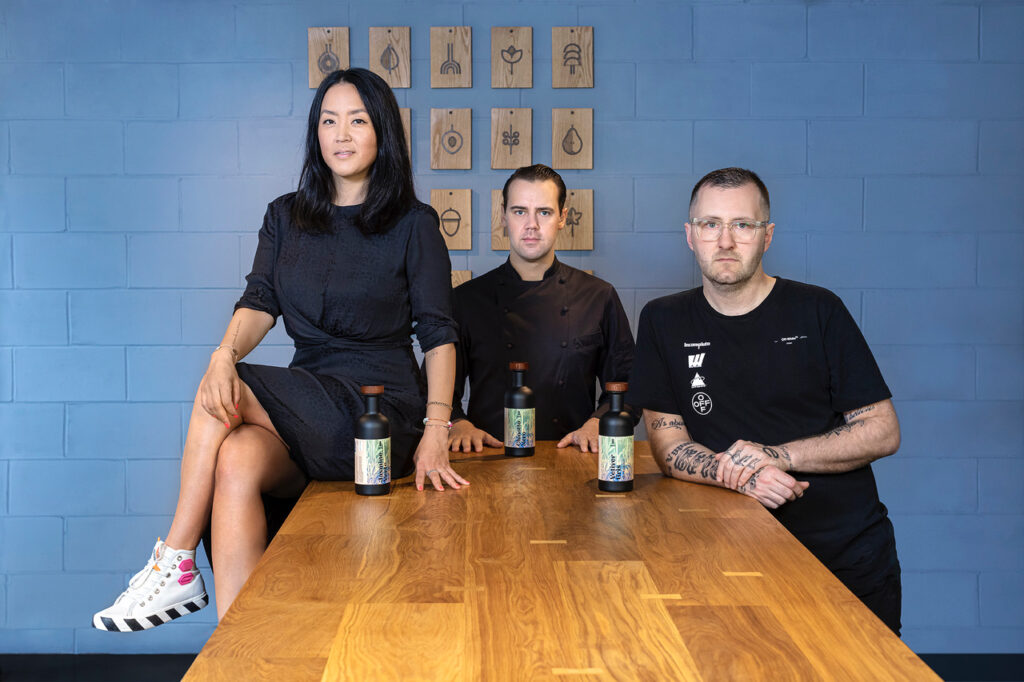
What other projects do you have in the works? Can you tell us about them?
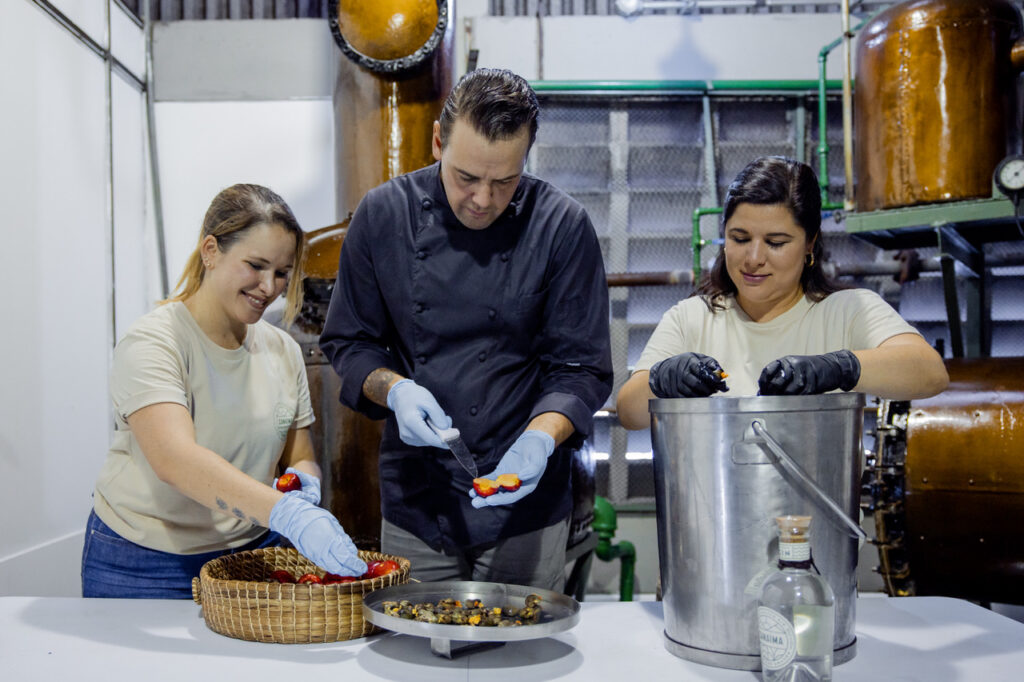
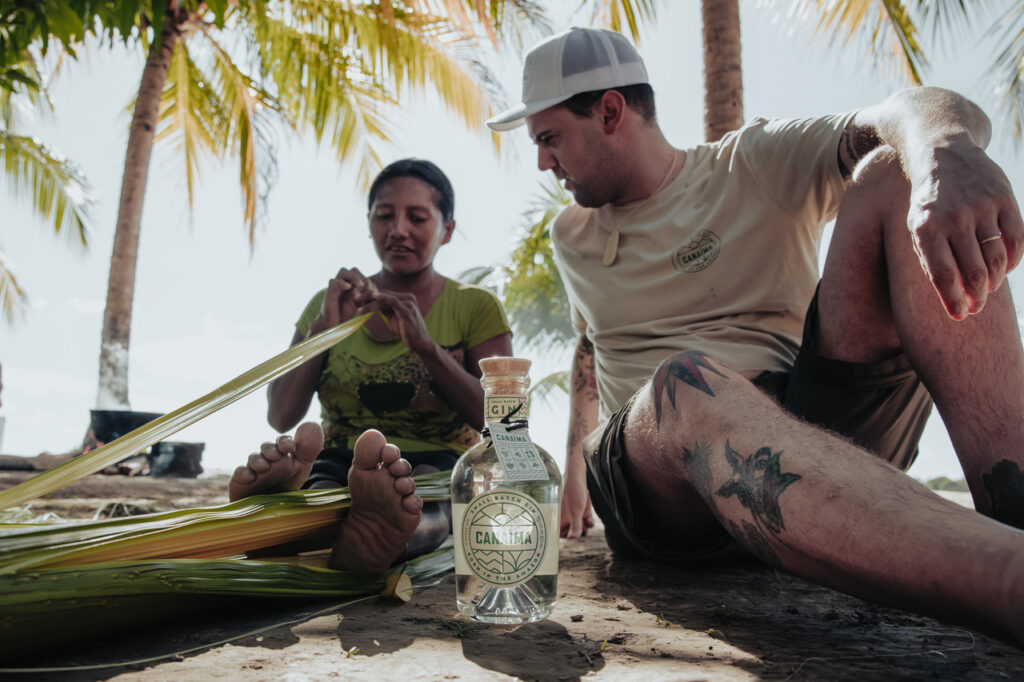
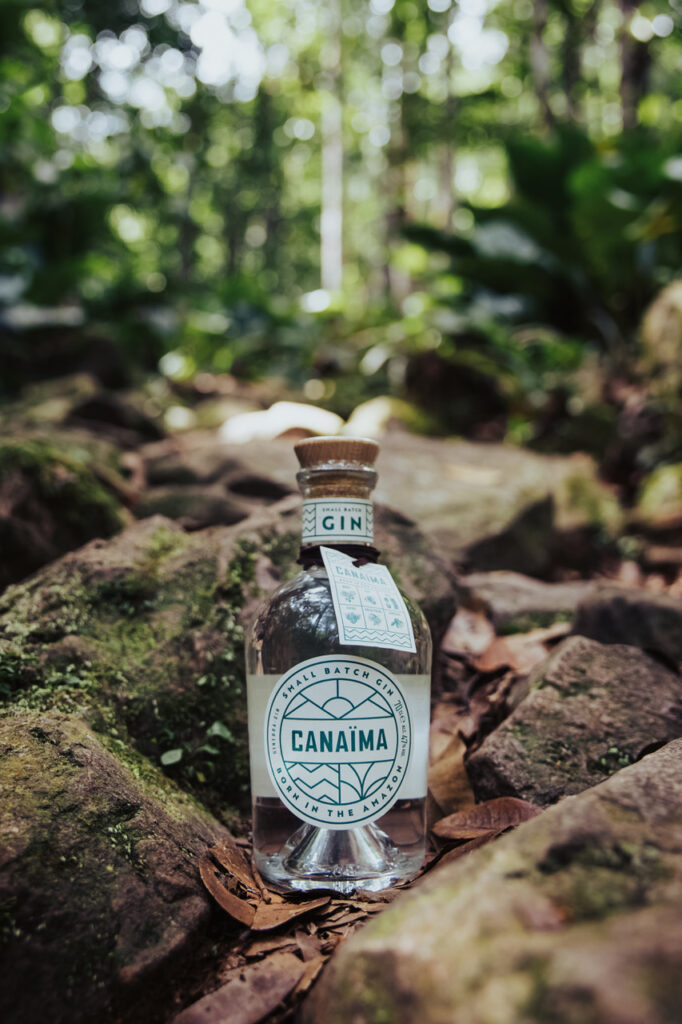
Another project I am working on with the Diplomatico Rum family is Canaima, a gin produced in the Amazon by indigenous peoples with 19 botanical varieties, distributed by Compagnia dei Caraibi. While the project does not have any profit-making purposes, it gives us great satisfaction to see people who have a new roof and their children go to school, in addition to the reforestation of the Amazon ecosystem. The third project is the Zeo 'alcohol-free spirits', with a scent reminiscent of grappa and a characteristic burning sensation. The fourth and final idea is Flavour Blaster, a tool that allows you to create steam bubbles on the glass. It was an idea developed at Artesian, with a vaporizer that produces aromatic steam, without smoke.
Have you left the counter but also abandoned the idea of working in the club world?
No, absolutely not. I wanted to open a space in Barcelona two and a half years ago but there were legal problems with the structure of a property I was about to buy. Then, I spoke with Marc Alvarez, who was in charge of mixology for the Adrià brothers at the time. We had the common desire to create a bar that wasn't a bar and we developed a concept where classic and non-classic cocktails are served in a slightly smaller quantity than normal. We called it Sips, like sips, an indefinite quantity of liquid that allows you to judge it, understand it and live a hedonistic experience. In this way, the customer can try several different drinks in one night.
What kind of concept is Sips Drinkery House? What can you drink and eat inside? How will the spaces be divided?
Sips is a cocktail bar where you can eat small snacks, like bao stuffed with soft-shell crab or octopus hotdogs. We will have a menu of 15 signature cocktails, created especially for the place, 15 classips, twists on classics by me and Marc, who will be the bar manager, and also some express proposals. We have had custom molds made to have unique ice shapes and containers for the signature cocktails. For example, we will serve a cocktail in a glass that becomes an olfactory chamber, where you will smell the drink together with the outside air you breathe, which will change each time with the botanicals. We will also serve a cocktail, inspired by Gaudí's chromatic technique, with an edible mosaic on the edge of the glass. As for the spaces, instead, in a first room towards the street with 35 seats there will be Sips Drinkery House, while in another smaller room, with 18-20 seats, there will be a second experimental bar that will open later. The design will be modern-minimalist with emerald green and anthracite tones.
What's your favorite cocktail?
I like them all. It would be a shame to choose just one.[:]