
[:en]
When it comes to bitters and liqueurs, there is often a lot of confusion with terms that replace each other and meanings that overlap. We have, for this reason, tried to clarify the topic with Emanuele Russo, bar manager of the NAt Cocktail House, National Manager of the Bartender Certified training school and Spirits Educational Specialist for the premium and superpremium spirits production and import company Compagnia dei Caraibi.
The first signs of distillation and the birth of the first elixir
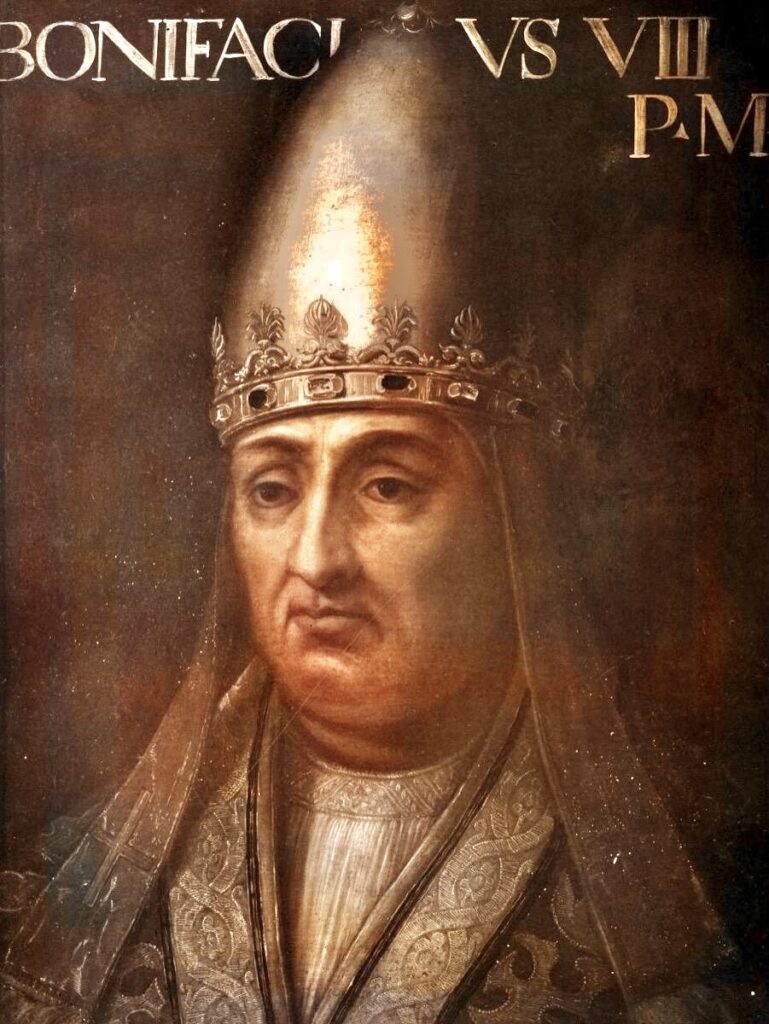
“The first mention of distillation and liqueur making dates back to 700 AD, when the first essences and perfumed oils began to be created by distilling flowers and plants in the Arab-medieval world”. At the beginning, the purpose was not luxury but rather pharmaceutical and alchemical. Two or three hundred years later, two important names who worked at the Baghdad hospital, the theoretician Avicenna and the practitioner Rahzes, began to study the alchemical movement primarily to aid digestion. “Thanks to them, medicine became a science. Substances were extracted from flowers and plants to benefit the body, as is still done today”. “In 1099, with the liberation of Jerusalem, the art of distillation also spread outside of this area, reaching, among others, the school of Salerno”. People were already starting to talk about modern distillation and the first spirits and elixirs were being obtained. The first bitter was created, for curative purposes, in 1200. “It was called the elixir of long life and was produced by a Catalan alchemist, Arnaldo da Villanova”. The purpose was to cure an attack of renal colitis in Pope Boniface VIII during the first jubilee in history and, thanks to its success, the jubilee could continue. The recipe was later codified, along with other writings, in De Aquis Medicinalibus.
The spread of distillation and the birth of the first liqueur
The news caused quite a stir in abbeys and monasteries, but distillation did not yet take hold because obtaining alcohol was still too expensive: "the techniques were backward, did not optimize production possibilities and caused a lot of waste". Furthermore, this news had resonance among the clergy but not among the people, who did not have the tools to distill. From 1200 to 1500, approximately, the production of elixirs, bitters for medicinal purposes made with alcohol, spices and cut with water, continued. With the discovery of America, in 1492, the range of herbs and spices usable in distillation expanded considerably, with the further discovery of sugar, which made consumption more drinkable. Distillation became more efficient and consumption for luxury purposes increased. "The first liqueur in history was a rose rosolio created to welcome the court in Tuscany and Paris". Caterina de Medici played an important role in the spread of liqueurs in France.
The first certified liqueur and the spread of distillation
“In 1600, a manuscript of a bitter elixir of 130 herbs arrived at the Chartreuse monastery. After over a hundred years of study, the recipe was created, thanks primarily to Brother Jerome Maubec, for the first certified bitter liqueur in history: Chartreuse Vert in 1737”. A little less than fifty years later, the French Revolution abolished the privileges of the clergy, caused the closure of monasteries and allowed the art of distillation to spread beyond the convent walls. Home-made bitters began to be produced, both for pharmaceutical and luxury purposes. Later, the first industrial productions also arose, with the birth of the first factories, in the mid-late 1800s, for the production of bitters and liqueurs. “In that period, bitters still had a pharmaceutical purpose and were bought in pharmacies – and medicines had already been created – while liqueurs were for luxury purposes. In the 20th century, the recipes of most products were modified upwards in sugar content, to meet the consumer's palate. The recipes have always been secret and therefore we do not know if they have changed over time. The herbs used, however, always remain the same: yarrow, wormwood, marjoram, gentian, angelica, anise, cloves, tonka bean, gentian, quassia.

The difference between liqueurs and bitters and the different distillation techniques
A much debated topic is the real characteristics that differentiate a liqueur from a bitter. From a product perspective, while the former is a spirit drink with alcohol of agricultural origin, with an alcohol content of 15-55 % vol. and a minimum sugar content of 100 g/l, the bitter differs in the quantity of sugar, which cannot exceed 100 g/l (10%). "That said, many of the bitters that we call such are actually liqueurs and the digestive function that we also mistakenly attribute to liqueurs is more attributable to bitters, due to the lower sugar content". From an aromatic substance extraction technique perspective, however, we can distinguish four different ones: distillation, with which the essential oil is obtained, cold infusion or maceration, with the homonymous procedure for spices and subsequent filtration, hot infusion, flavouring or a mix of the different methods.
Traditions passed down to the present day
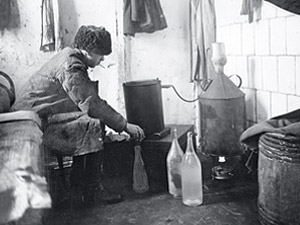
Since the birth of bitters and liqueurs centuries ago, there are still some traditions that have remained intact over time. “This is the case of Chartreuse Vert, a drinkable liqueur despite its 55% vol., of Triple sec, an orange-flavoured liqueur from triple distillation, of Apricot brandy, an English distillate obtained from the fermentation of the fruit and apricot stones and, in Italy, of Nocino, a liqueur obtained from the husk (the green, external part) of the walnut, of Maraschino, a distillate of Luxardo cherries and morello cherries, of Amaretto, of Limoncello, of Genepì, a Piedmontese and Aosta Valley liqueur obtained from the maceration of Alpine artemisia in alcohol, of Rosolio, of White mint cream and of Dark cocoa cream”. There are some surviving productions in other countries, such as Spain, where they still produce Licor 43, the result of the distillation of 43 Mediterranean ingredients, and Hierbas, a typical Spanish liqueur obtained from the cold maceration of aromatic plants, or Tajikistan, where Samogon, a blackberry liqueur, is still popular, and Greece, where ouzo is produced, a distillate obtained from grape must and anise. Italy is currently the home of bitters and liqueurs in general, in fact it seems that there is at least one officially recognized recipe in every province of the country.
Use in mixing
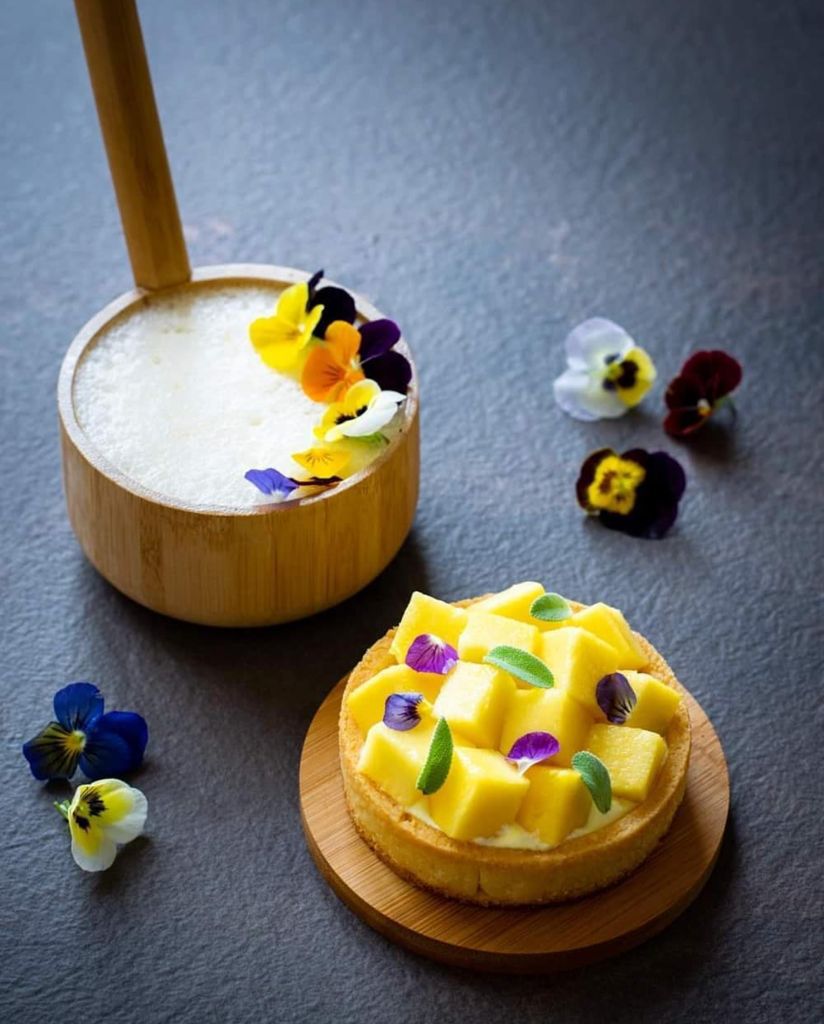
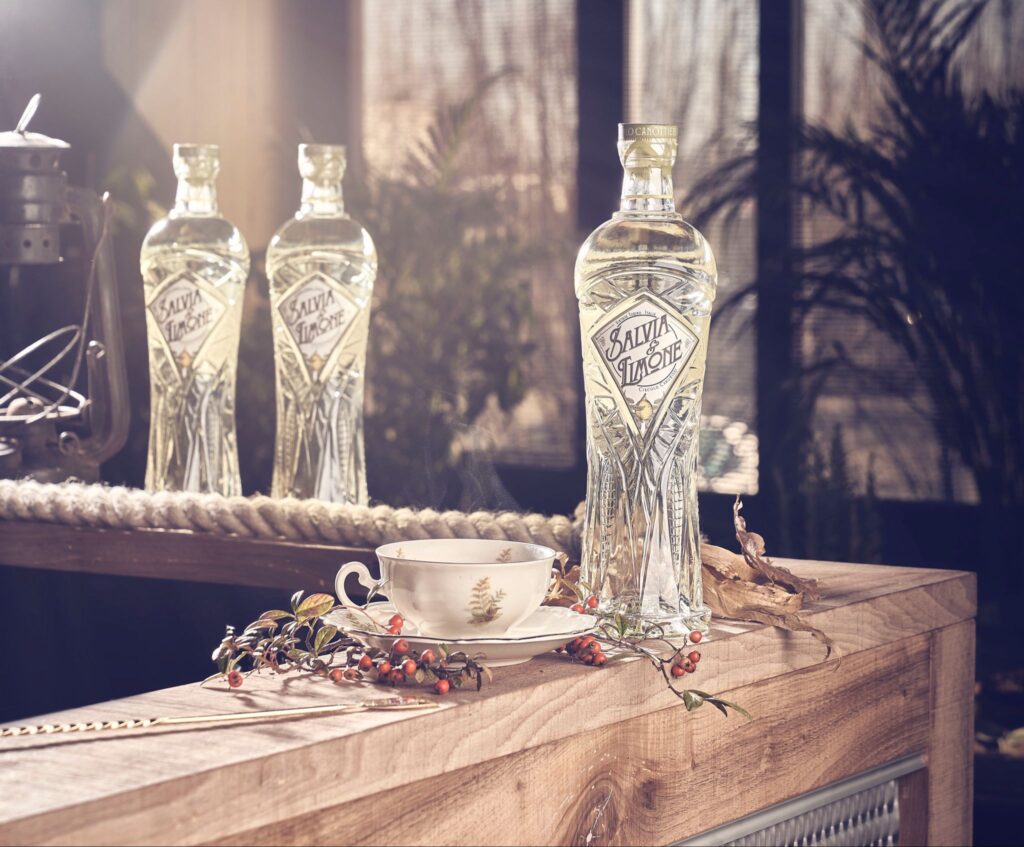
Compared to the past, there are definitely fewer limits when it comes to mixing. In my case, if I want to talk about the products I personally deal with, I tend to use liqueurs more than bitters, due to their versatility when mixing. Salvia & Limone by Compagnia dei Caraibi is a product that can be consumed both cold and hot. It has a sweet taste, complemented by the freshness of the citrus and the balsamic nature of the aromatic herb. Excellent when paired with desserts, it can be used in numerous recipes, including Tiki Garden with Plantation OFTD, mango extract, parsley and black pepper syrup, fresh lemon, Caldo, with Salvia & Limone liqueur, vermouth and falernum or Palomita, with mezcal, Salvia & Limone liqueur, lime, agave and grapefruit soda top with salt crustas flavoured with Salvia & Limone liqueur. Another liqueur, more bitter in this case, is the Jefferson Amaro Importante liqueur, made with IGP lemons from Rocca Imperiale, sweet and bitter oranges and rosemary from Bisignano, bergamots from Pellaro and oregano from Palombara. In mixing, it is excellent both as a substitute for a bitter in a Negroni or Americano, and as a support for vermouth.
Your favorite cocktail
I love making cocktails, but when it comes to being a customer, I usually prefer wine. When I choose to consume cocktails, however, I often opt for my two favorites: Tommy's Margarita, for its acidity, as an aperitif, and Manhattan, for the presence of whiskey and vermouth, after dinner.[:]