
Roman in accent and soul, Paolo Sanna is the reference figure in the place where he has worked for 25 years now, so much so that some call him the fourth brother of the family owner. A competitor in competitions in the sector, today he takes care of the judging and the organization of several of these, in addition to dedicating himself to physical and virtual projects far from Banana Republic.
Where are you from and how did you get to Banana Republic?
I was born in Rome in 1976. At the age of 20, as soon as I finished school, I started working at Banana Republic and I never moved from there. I started out as a plate carrier and glass washer and then, little by little, I acquired more and more authority in what had become my home in the meantime. I first became the head waiter and then the restaurant manager. When I started, the managers – the brothers Massimiliano, Alessandro and Valentina Benedetti – had chosen to convert the previous high-end seafood restaurant into a restaurant-pub where you could eat traditional Roman dishes until 4 in the morning.
What was the first cocktail you made? When did you realize it wasn't going to be the only one?
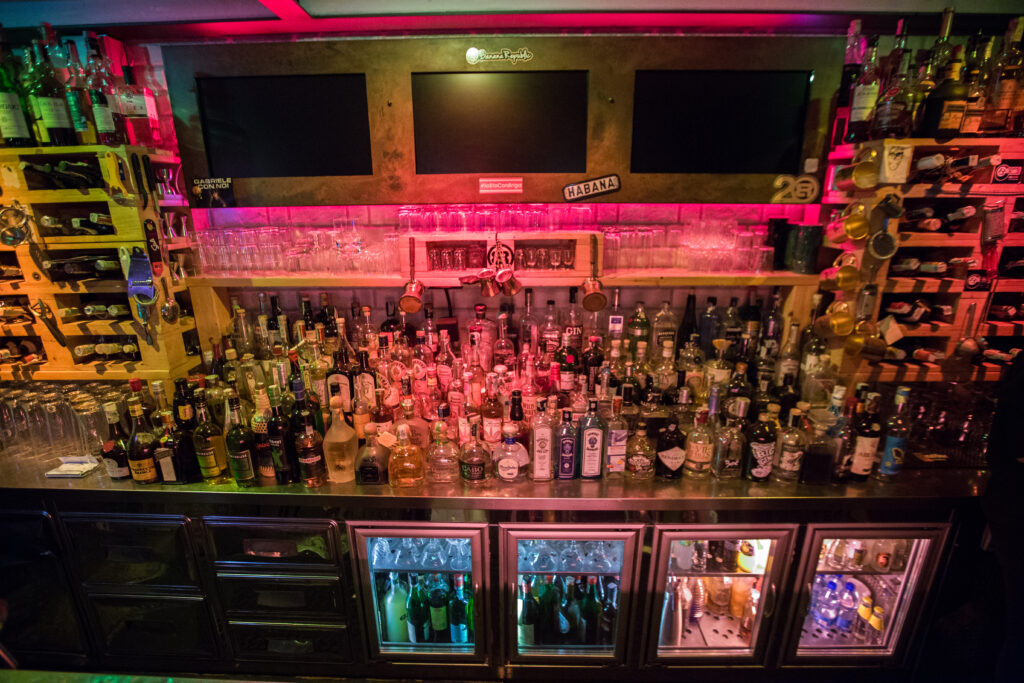
My first cocktail was a Cuba Libre. It was '98-'99, a time when we already had drinks like Manhattan and Sidecar on the menu. They asked me for a Cuba Libre - that evening the barlady was missing - with lots of rum, little ice, little Coca-Cola and no lemon. Over time, I became more and more passionate about mixology, so much so that, in view of the renovation that took place in 2008/09, we created one of the first custom-made cocktail bars, with the workstation and the bottle rack. At that time there were pubs and wine bars that prepared cocktails but few 'pure' cocktail bars.
What has changed in this quarter of a century? What has been your relationship with competitions?
Unlike kids today, we weren't lucky enough to be able to get information easily. There was no Internet, only books and courses to become a bartender. You couldn't get inspired by any bartender from the other side of the world through videos, but there were already competitions. I did the first Diageo World Class, 9-10 years ago, at the age of 33-34, and it was right there that I understood that this world was growing. I did the first Campari Competition, where I came in second at a national level and first place in Rome, I won the Stolichnaya Sette Collins competition, organized by Velier, based on the mixing of the Sette Colli, and the Martini Gran Lusso, which took me to London. I never thought about winning competitions, but rather about having fun. At the Diageo World Class, for example, I brought a cocktail that I served inside a model made by a friend of mine in the shape of a volcano. I liked showing that you could do something different from the ordinary.
At a certain point did you decide to leave, dedicating yourself to the judging and the organization?
Yes, competitions have given me a lot but I wanted to try something different. Among the many juries - the Campari Competition and the Summer Hit Festival of RG Mania are just two of them - I was called to do the one for the Roman competition Head to Head Bartender. Later I collaborated on the commercial side and then I decided to organize it. The creator was the manager of the best beach bar in Italy for 4-5 consecutive years, Singita, Christian Lo Russo and the competition was born with the involvement of 8 bars in the city, and then expanded to a national level. It is an under 30 competition, which takes place in 8 stages, inside the bars, from February to March. For each stage eight bartenders challenge each other in mixing surprise products, to win the final that takes place in Rome. Three years ago Sossio del Prete won, two years ago my current first bartender Marco Fedele and last year Emanuele Ansuini. It was the first traveling competition of its kind and the one in November 2020 was the seventh edition.
Let's go back to Banana Republic for a moment. How did you set up the cocktail menu? Can you give us some examples of Banana's classics?
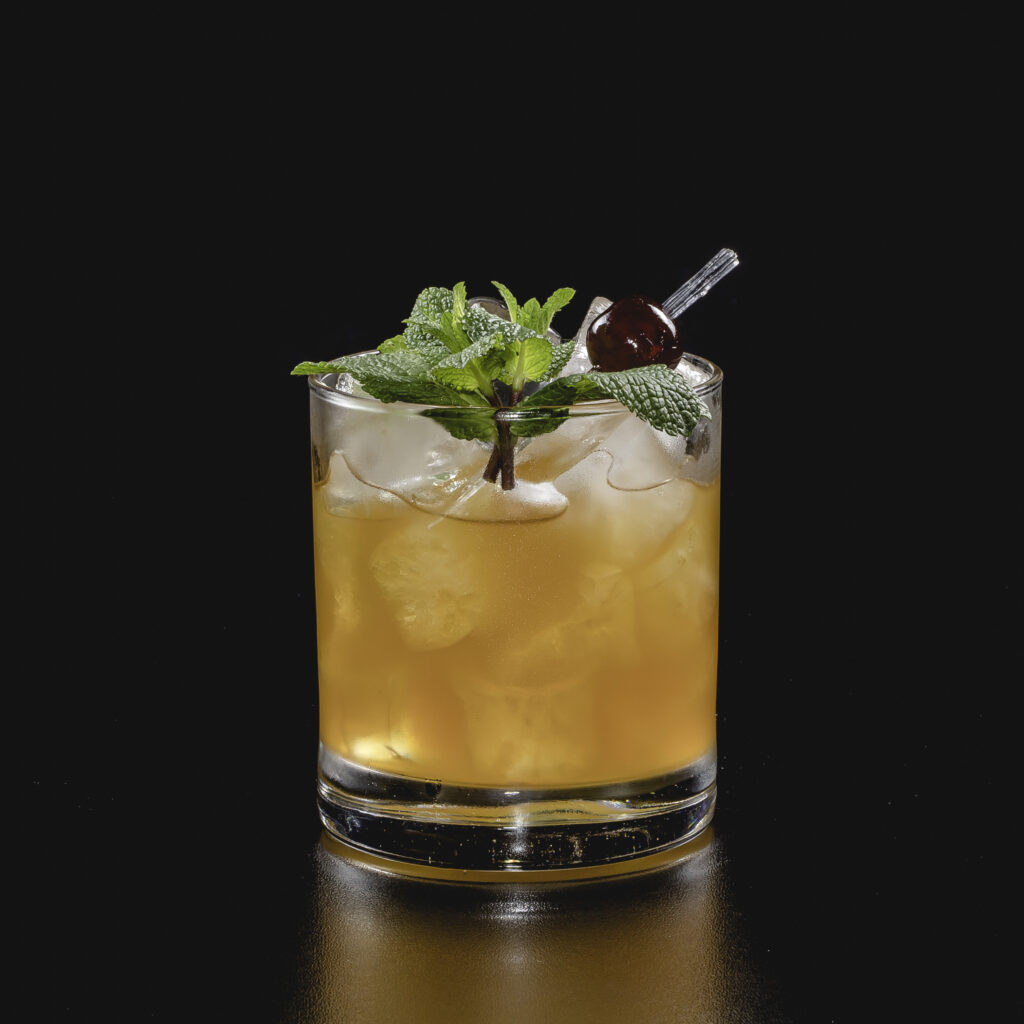
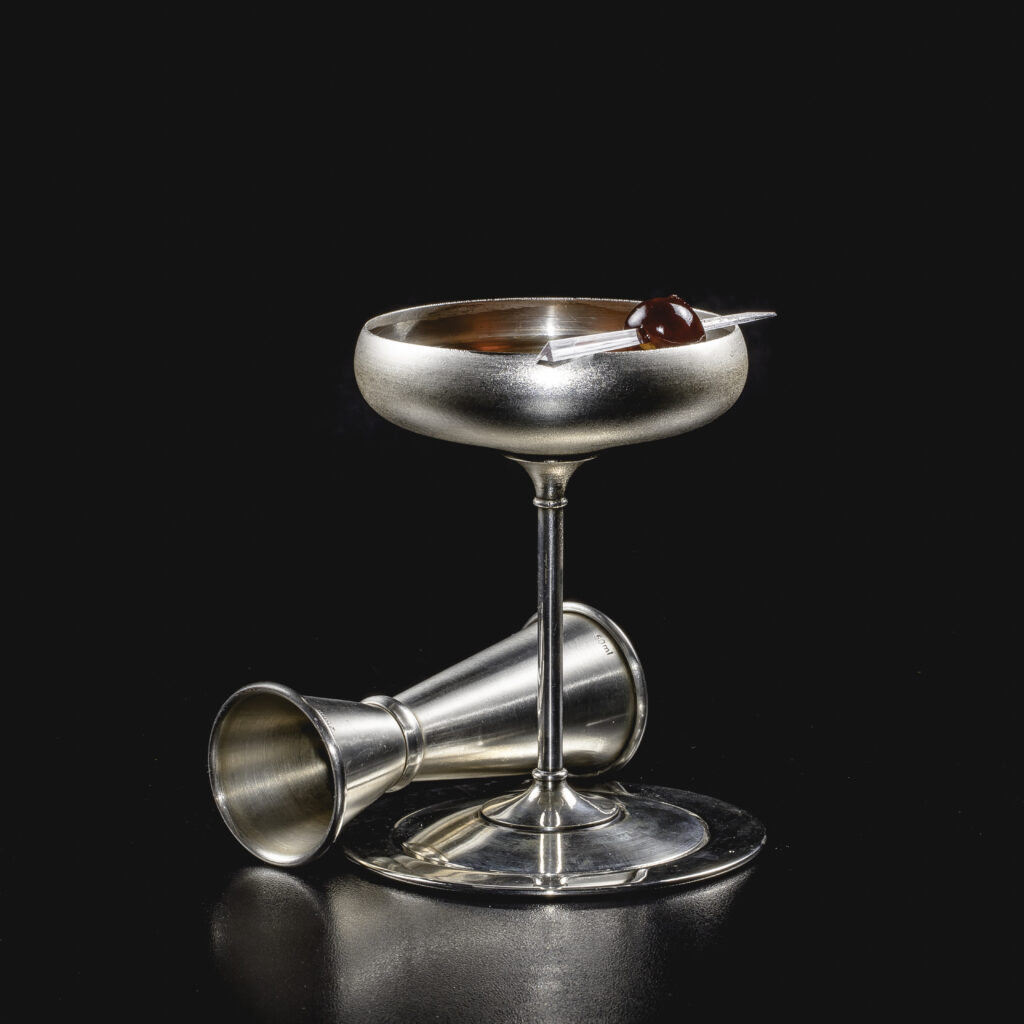
Over the past 12 years, as the venue evolved from a classic American bar to a more sophisticated cocktail bar, we decided to return to the classics and offer cocktails made with homemade preparations. We began a major study of Jerry Thomas's traditional book to offer something as faithful as possible to tradition. Currently, the menu is divided into four different sections: the great classics revisited by us with Italian liqueur ingredients and products, our signatures, the great Banana Republic classics - which are the best-selling signatures after three months, or at every menu change - and the limited edition section, made with collections of bottles no longer in production. An example of our classics are the Messina e Nuvole, a twist on the classic Paloma with mezcal, prickly pear liqueur, organic lemons and the Bim bum bam, a Caribbean drink with two types of rum, passion fruit, orgeat and ginger beer.
How is the restaurant organized and what can you eat with it? Have you activated delivery?
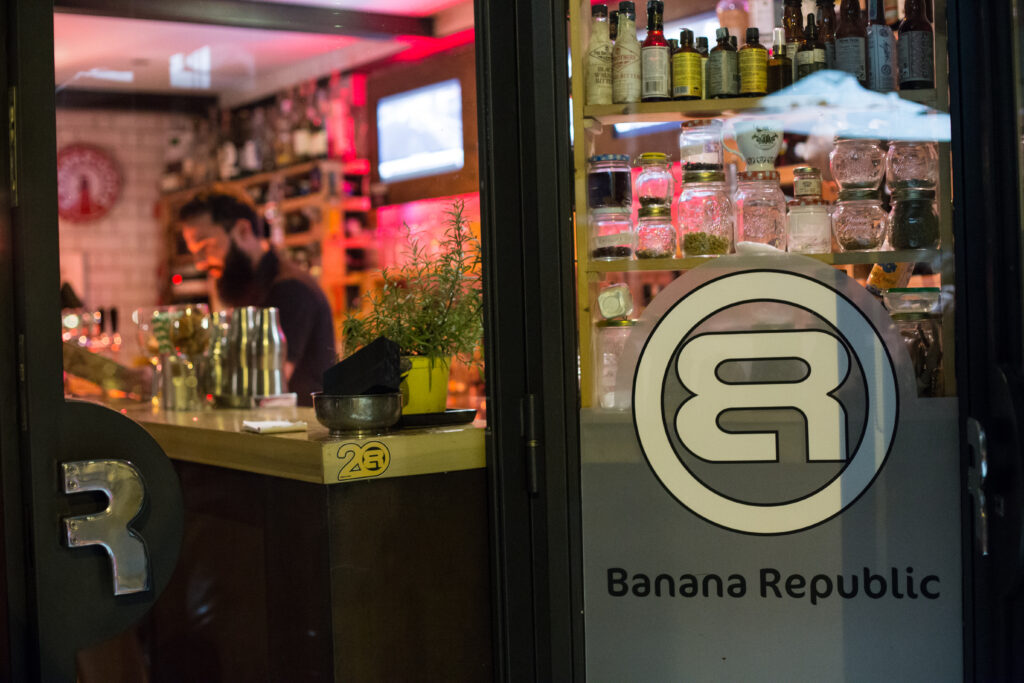
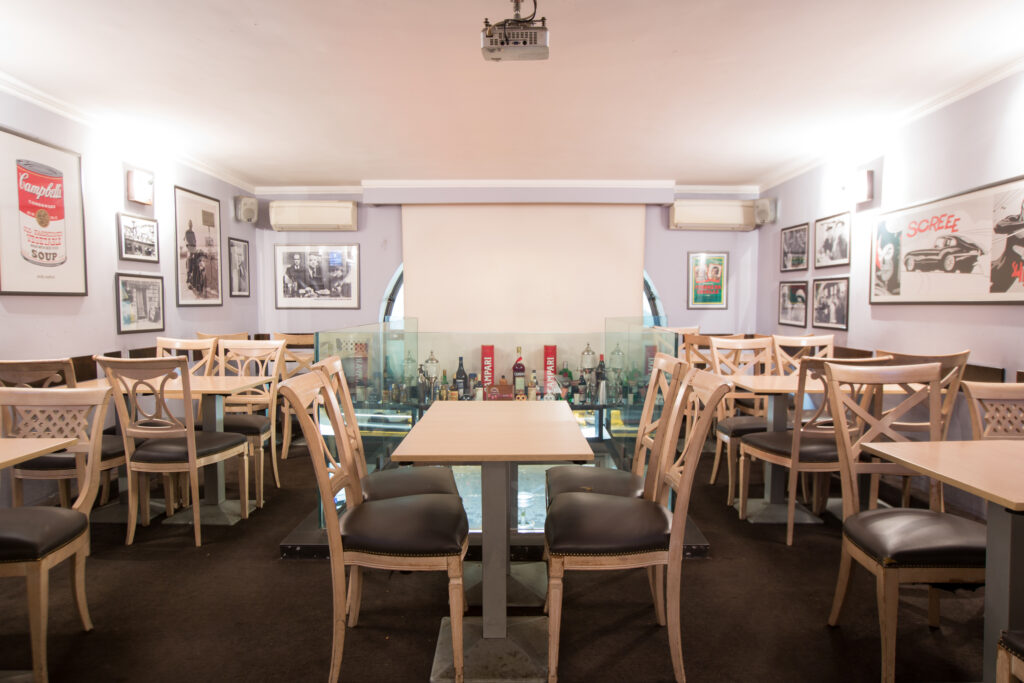
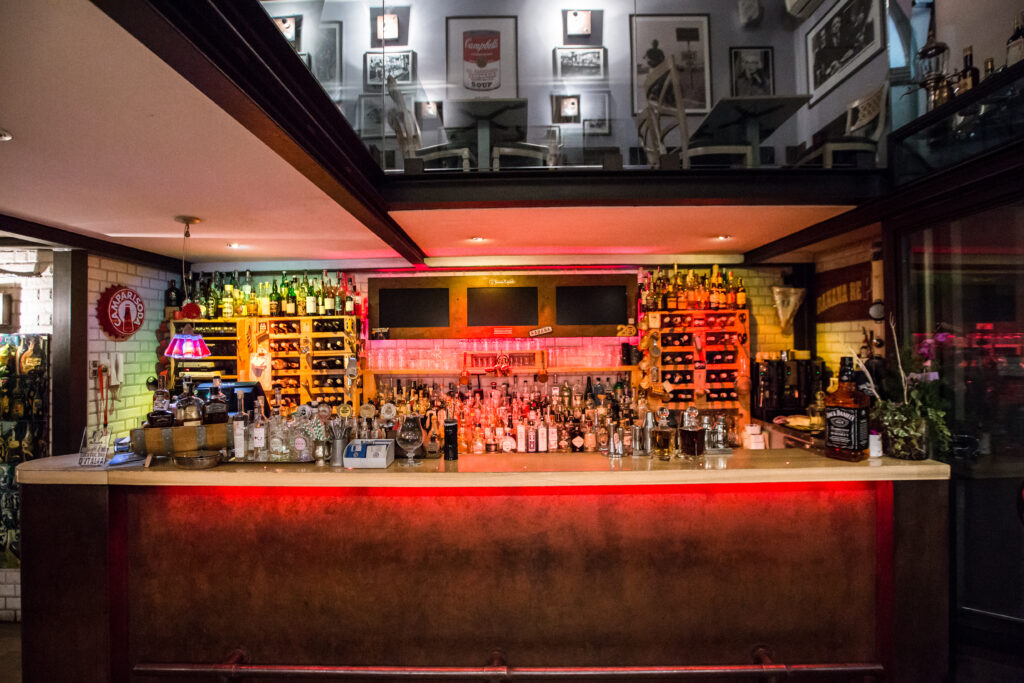
At Banana we have two floors, the one below is a cocktail bar, where there are 20 seats, all at high tables, 6 of which are at the counter. On the mezzanine floor above is the restaurant with 35 seats and about 25 in the terrace, waiting for an expansion. The gastronomic proposal is always evolving. For three years now we have decided to offer burgers, homemade with rolls made especially for us and Danish Scottona meat minced at home, in addition to our grilled dishes, fried foods and pasta dishes. This year we have been very active with home delivery, which we have activated both for what concerns the kitchen and for what concerns the 14 cocktails in bottles.
One of the characteristics of your cocktails is having focused on Italian liquor products. Why? Can you tell us about the format you created “In perfetto stile italiano”?
We have currently decided to focus on these products both for a question of easy availability and shelf life, and for a great passion of mine. In the 90s, finding Biancosarti or vermouth except that of Martini was almost impossible, which is why about ten years ago I decided to organize a format, In perfect Italian style, every Monday to revalue these products that had fallen into disuse. I invited some of my colleagues, such as Patrick Pistolesi, Daniele Gentili, Francesco Pirineo and Antonio Parlapiano, to challenge them to mix these products in perfect Italian style. The format lasted a total of five years, during which I hosted over 60 Italian and international bartenders of the caliber of Flavio Angiolillo, Samuele Ambrosi and Alex Frezza. All the liquor companies supplied me with the products - liquors, ratafie and vermouth - and we mixed them. From an exclusive meeting between colleagues, the format opened up to the public and then to the whole of Italy, with the tour that I carried out for 4 years thanks to the support of Pallini – limoncello, licorice, bitter, sambuca, mistrà – in schools, cocktail bars and corporate events.
Are there other projects that you are involved in as a protagonist?
I am a consultant for Relais Monaci delle Terre Nere, a hospitality facility on Etna with more than 30 hectares of land. Five years ago I took care of opening an internal cocktail bar for them, Convivium Bar, where drinks are prepared with self-productions made with local fruit and vegetables. I am also the bar manager of ShowRUM, a Roman rum festival for which I take care of selecting the participating cocktail bars and acting as an intermediary. The third and last project for which I collaborated and in which I am currently active is OnOnExperience, a digital platform that gives you the possibility of organizing remote masterclasses between industry professionals or aimed at the customers themselves. The bartender can choose the theme, organize the evening, set the duration and price and have fun teaching.
What is your favorite spirit? And cocktail?
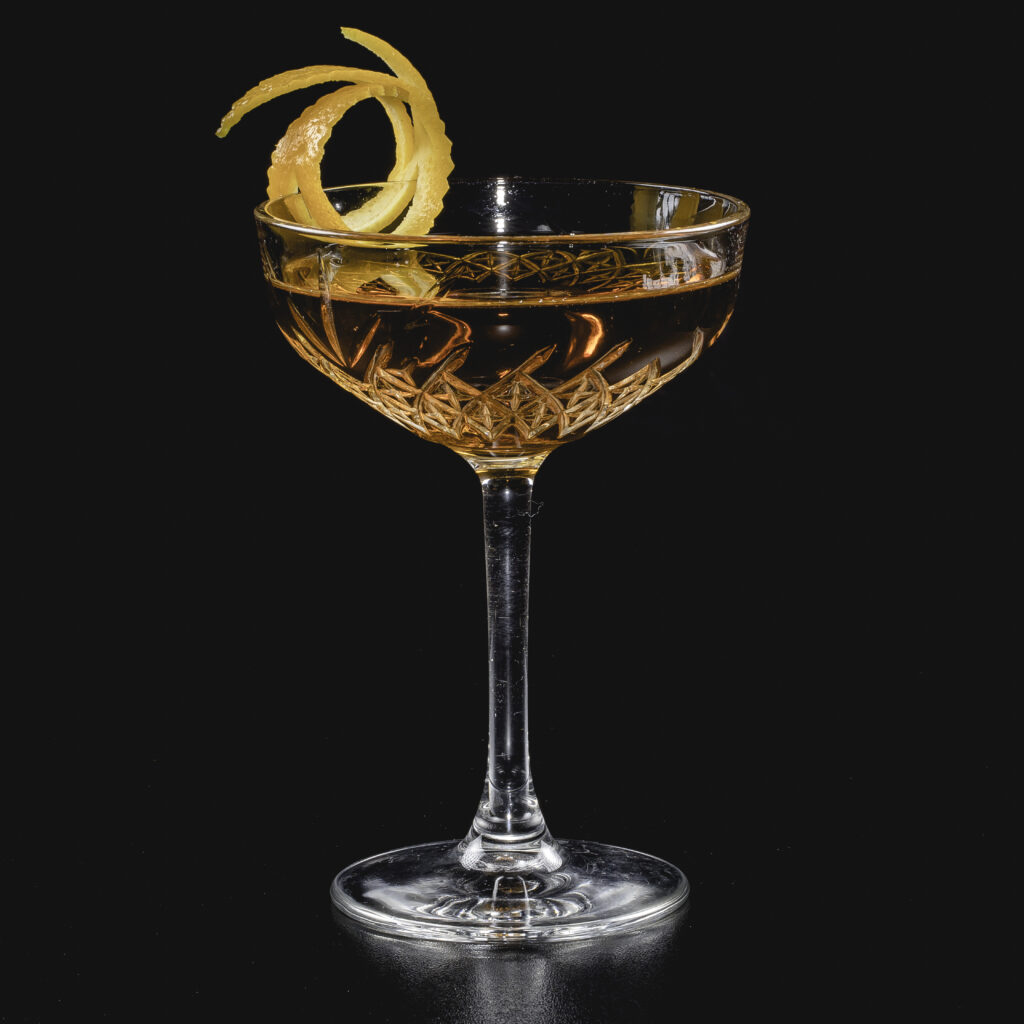
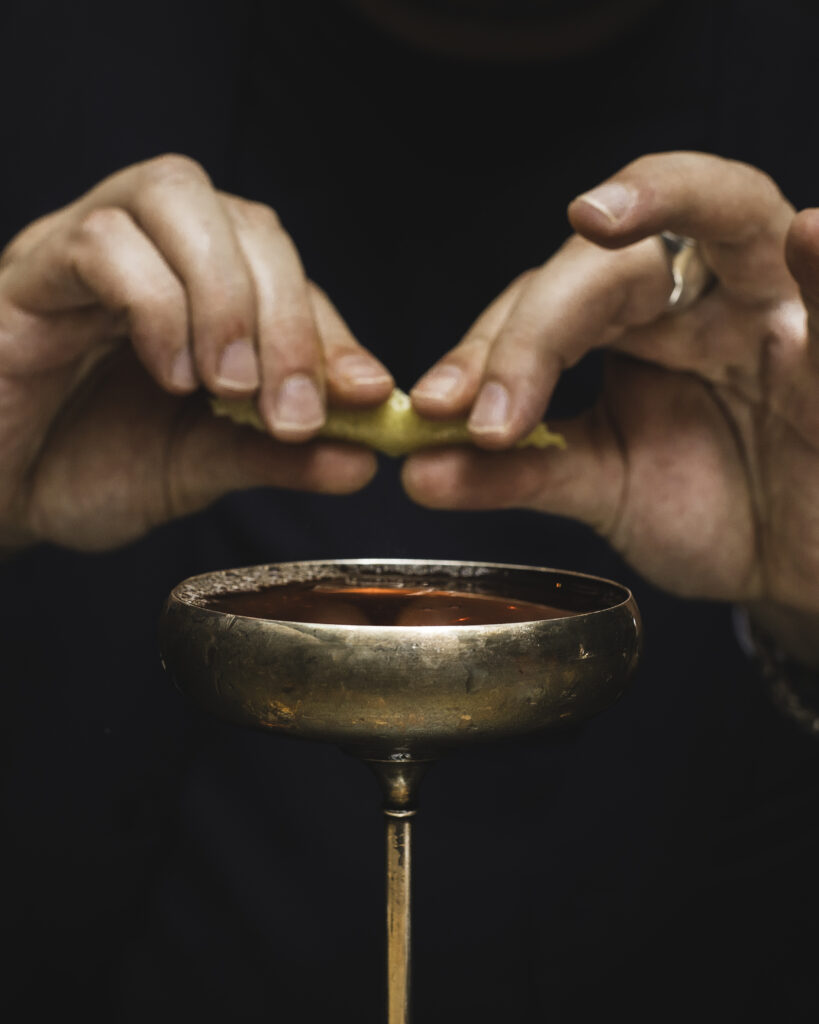
The spirit I prefer to drink is Single Malt Scotch Whisky par excellence, while if we mean in mixing, gin followed by rum. My favorite drink is instead the Martini, very dry with a spoonful of olive water, an olive and a lemon zest. It is impossible not to fall in love with it, all the greatest drank it - from Hemingway to Churchill, passing through Sinatra and Eco - and for this reason I decided to dedicate my thesis to it. It is a cocktail that loves people, how they are made and that can be customized sartorially. At Banana I had a professor as a client who always wanted it with Dutch gin and raw scampi to dip. When he left us, he sent me a book of cocktails from the 30s, Millemisture. I was very emotional, it was my Hemingway.[:]