


It was the first speakeasy in Italy, it opened its doors to the public about ten years ago and, until the arrival of the pandemic, it continued to grow. We are talking about Jerry Thomas in Rome, a project born from the idea and implementation of three partners - to whom a fourth was added - including Leonardo Leuci. We explored all the background with him and also asked him to tell us about the other important projects featuring the group.
When was it born and whose idea was it to open the Jerry Thomas Speakeasy?
The idea was born almost 11 years ago. I, Roberto Artusio and Antonio Parlapiano – the current partners together with Alessandro Procoli – wanted to explore ancestral blending, which came to life with the godfather of modern blending, Jerry Thomas. We wanted to open a private place, doing a totally different job compared to what was in vogue at the time. From the 90s to the mid-2000s the drink no longer mattered and the barman had taken on an almost circus-like connotation. We wanted to change this perspective, as was already happening in the restaurant industry.
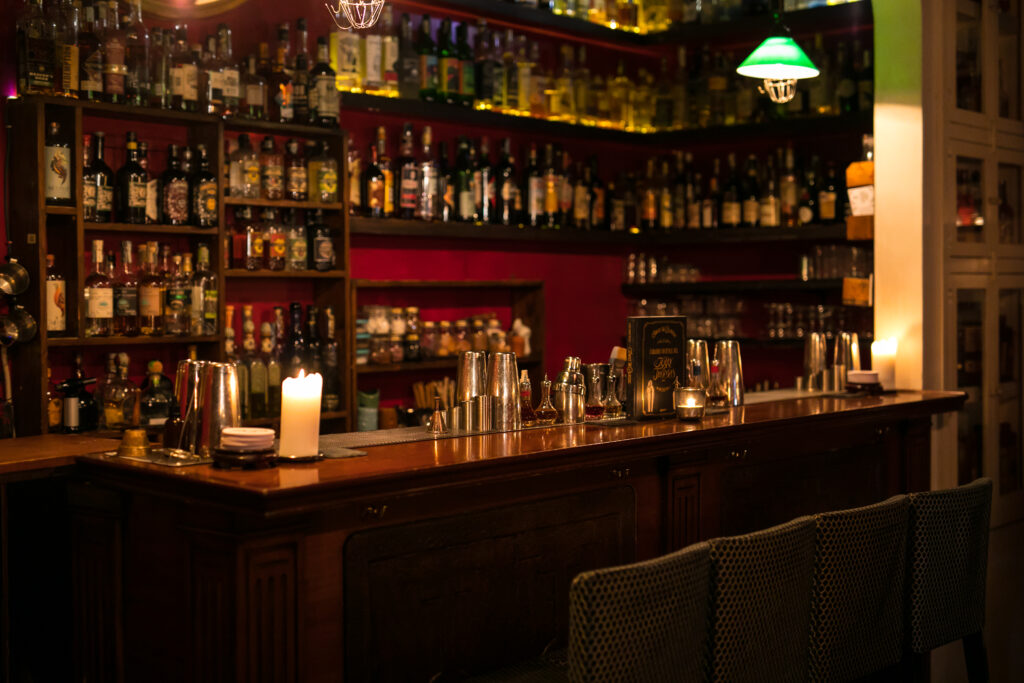
Yours was the first Italian speakeasy. What feedback did you get at the beginning and what were the keys to success? How can you enter today?
Initially the place was reserved only for colleagues in the sector, like a real laboratory, then we decided to open to the public and it wasn't immediately easy. Some people asked us for cocktails that we weren't willing to make and there were those who already turned up their noses. We, however, had a very clear idea of what we intended to do and, when after a year we managed to communicate it well, the interest in our work increased more and more. We believed in an offer that aimed to create a market rather than pander to an existing one and we were certain that there was an interested niche. We never gave in to the idea of making it a trendy place, because we wanted to maintain that aura of confidentiality that our customers have always desired. The access system has inevitably changed over the years. Having 3-400 people on some evenings and only 40 seats, we chose to opt for a mandatory reservation by discovering a password, from our site.
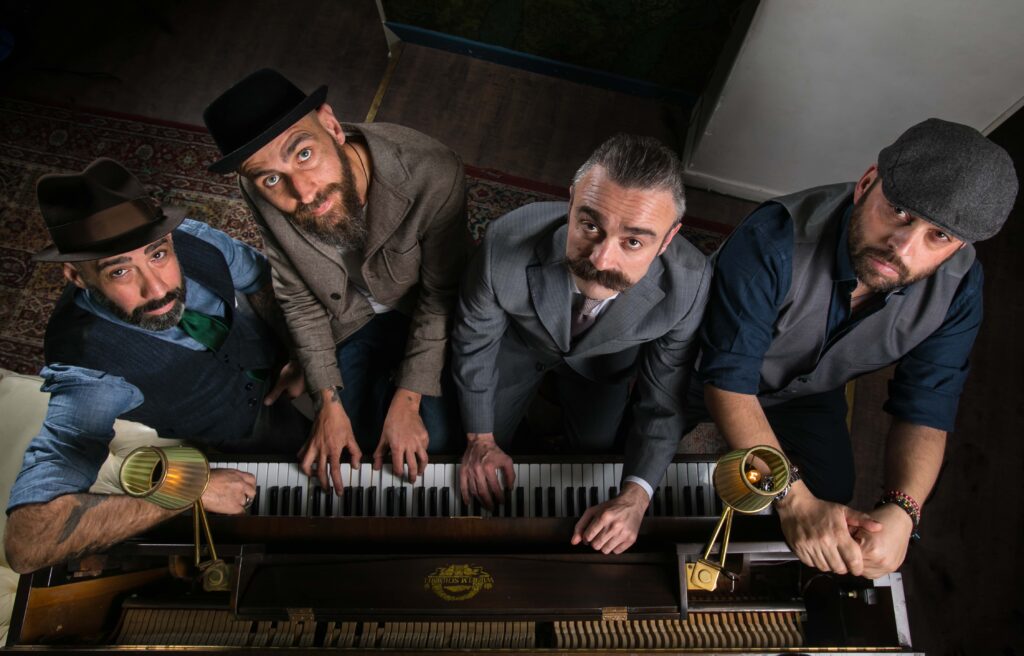
What mixing philosophy did you decide to focus on right from the start?
The idea has always been to offer forgotten drinks, in the form in which they were born. Until the 1980s, mixing was distorted, so much so that a standard distant from the original one was reached. We have decided to recover the uses and characteristics of the past, such as the precise type of glass, and to carry out, in parallel, research on Jerry Thomas-style twists on classics, to create cocktails more similar to contemporary palates. Some examples that summarize these concepts well are the Martini Cocktail and/or Manhattan which we have brought back to the proportions with which cocktails were born at the end of the 19th century - sweeter, drinkable and less dry - and the panela cube, a type of sugar unrefined, for the Old Fashioned or the use of rose violet and lavender in the Aviation, to give a contemporary personal touch.
How has the public's approach to your work changed? What are the greatest satisfactions obtained?
Over the years, the public has had the opportunity to perceive the quality of our proposal. Our customers were fascinated by the huge selection of products we offered and realized that there was still so much to know. An example is the 300 gins we offer for the Martini or the equivalent for the rye for the Manhattan or the Old Fashioned. The greatest satisfaction was not having any downturn until the pandemic arrived. We have always had organic and continuous growth, with an audience of people that has become increasingly heterogeneous: young people and adults, Italians and foreigners. This goes beyond the important recognitions obtained in the rankings, such as inclusion in the 50 Best Bars, because we have never worked for the awards.
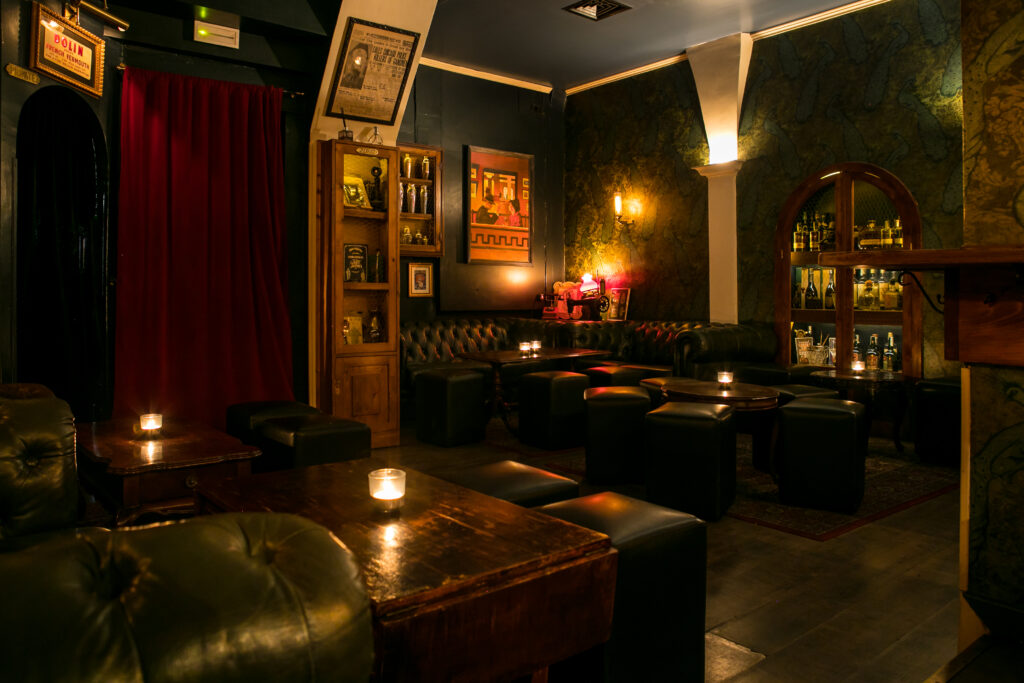
What role do you members have today at Jerry Thomas? Have you opened other venues in the meantime?
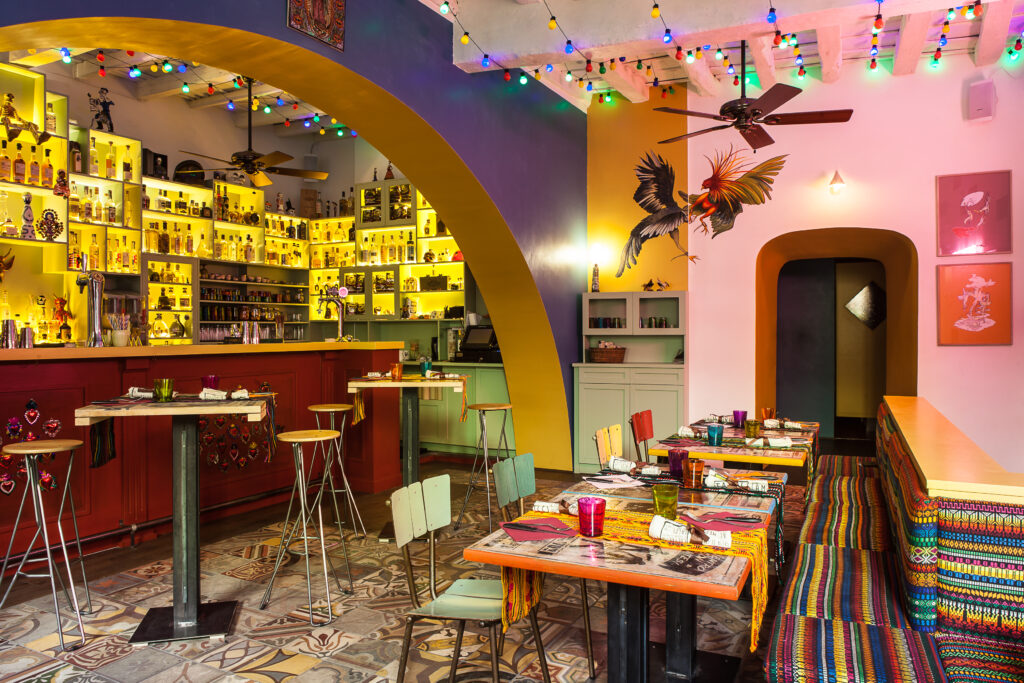
Now we play a more managerial and supporting role than at the beginning. We are no longer operational but we still have the final say on everything. This is also due to the fact that over the years we have opened two other venues: La Punta Expendio de Agave, a Mexican cocktail bar focused on agave-based spirits and Mexican cuisine whose bar manager is Christian Bugiada, and Latta, a pub with a strong orientation to the world of fermentation both in drinks - natural beers, cider, kombucha - and in the kitchen, where the preparations that will be served at the table are handcrafted.
When was the Del Professore project born? Why did you choose to start with vermouth?
The Del Professore project was born 8 years ago, again from the idea of us four partners, with the idea of completing the Jerry Thomas offer. We wanted to have exclusive ingredients at the restaurant, the result of research that no one had yet done at the time. We decided to start with vermouth, which was followed by gin and bitter, because it represents the cornerstone of the evolution of modern mixing. Until now, no one had paid sufficient attention to the wine, which represents the 75% of the product, and we were the first to indicate the type, Barolo, Moscato, but also cuts of Barbera, Freisa and Cortese, without using caramel coloring for the red variant . At the time, few people produced vermouth and no one made it 'artisanal'. We believe we have been an example for many other entrepreneurs after us and we are happy about this.
How did you continue?
After vermouth we focused on gin, another product that has been mistreated over time: first malty, then aromatic and then dry. There was even a time when it was sweetened with molasses. Also in this case we wanted to restore dignity to a product which, unlike vermouth, had already been rediscovered. The choice of bitter, however, was a natural continuation after vermouth. Over the years, Limited Editions have also been created, exclusive collections such as vermouth aged in Scotch whiskey barrels or Jamaican rum. We wanted to combine (our) tradition - natural production without dyes or preservatives - with a concept of innovation that was different from the usual.
Who created the recipes and how do you recommend tasting your products?
All the product recipes are ours and we have always entrusted them to a trusted distillery that took care of the production aspect. I always say that I can't advise how to use them in mixing because bartenders already know the difference. I'm just saying that they are enhanced in the simplest possible cocktails, such as the classic Martinez, Negroni, Manhattan.
A recipe with vermouth, one with gin and one with bitters?
More than recipes, these are suggestions, because we prefer to leave the choice of the best use of our products to the creativity of the bartenders.
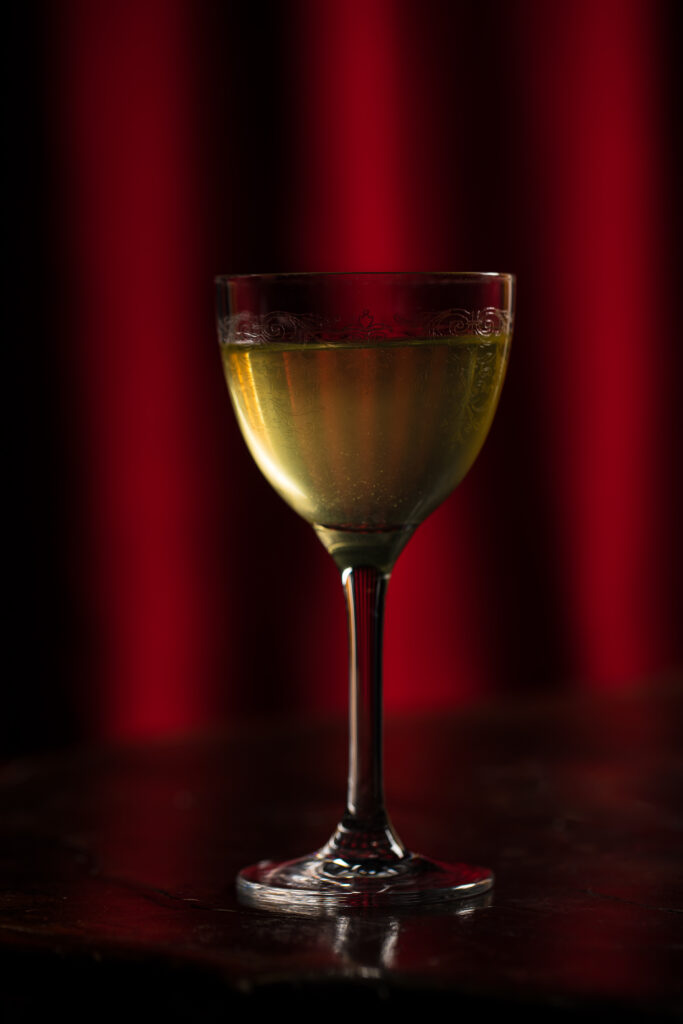
Golden Manhattan:
- 450 ml Vermouth Del Professore Classico
- 450ml Rye Whiskey
- 50ml Gum Syrup
- 20ml Amargo Chuncho
- 450 ml Whole milk
Prepare the clarified product with the milk washing technique. Pour 90 ml of clarified product into a mixing glass. Add ice cubes and mix until the right dilution and temperature are obtained. Filter into a coupette.
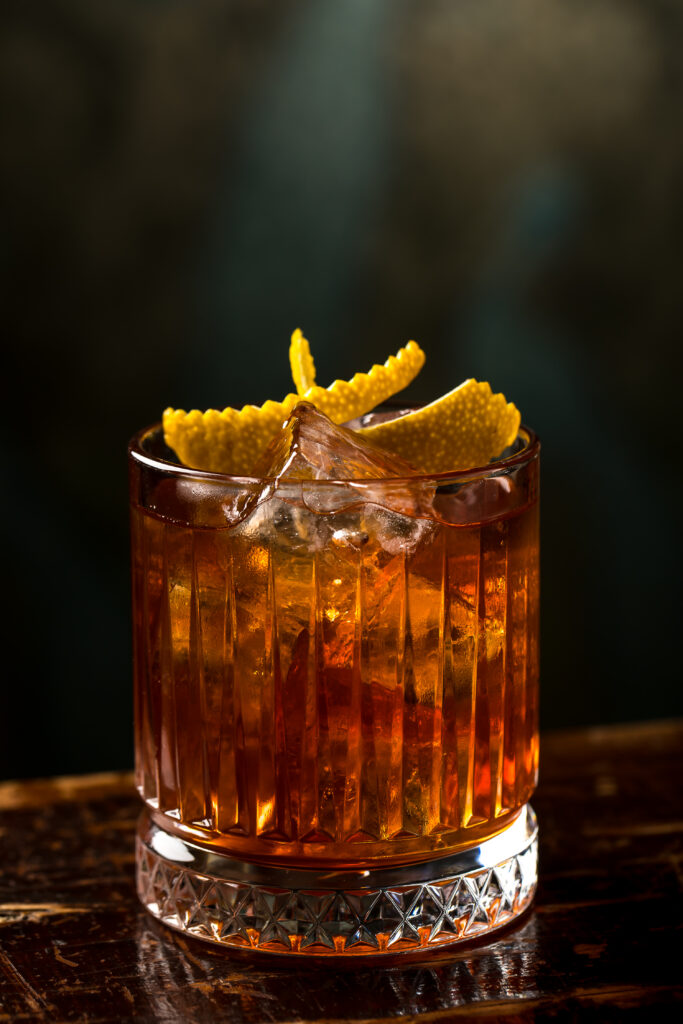
Negroni Del Professore:
- 45 ml Authentic Crocodile Gin Del Professore
- 30 ml Vermouth Del Professore Rosso all'Uso di Torino
- 30 ml Professor's Bitter
- 2 dashes Bergamot bitters
- Splash Soda
Pour all the ingredients, except the soda, into an old fashioned glass and premix with a barspoon. Add ice cubes and soda. Mix for a few seconds with a barspoon and garnish with lemon zest.
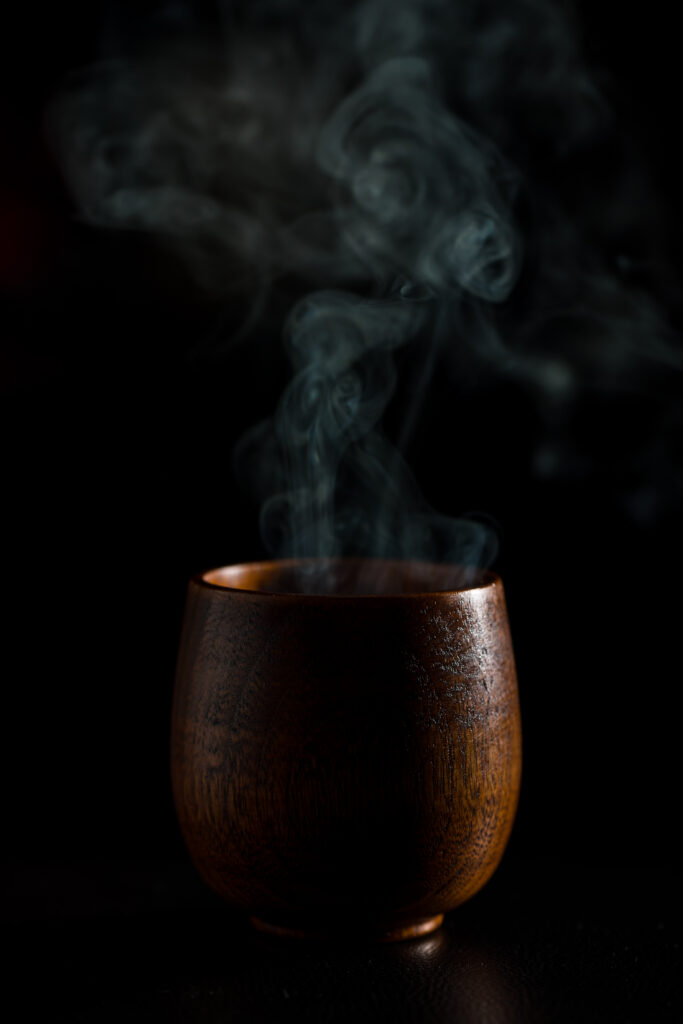
Vermouth Cocktail n° 30:
- 50 ml Vermouth Del Professore Classico
- 5 ml Quaglia Chinotto Liqueur
- 3 dashes Bitter Angostura
- 2 dashes Bergamot bitters
Assemble the drink in serving portions in plastic vacuum bags. Set the pressure cooker to a temperature of 75°C. Cook the drink by placing the vacuum-packed bags in the pressure cooker. Wait until the drink has reached temperature and serve directly from the bag to the wooden mug.
What is your favorite cocktail?
The Daiquiri, because it is the drink that satisfies me the most in its simplicity. It has three ingredients, well balanced, and I like to drink it on any occasion.[:]





