
[:en]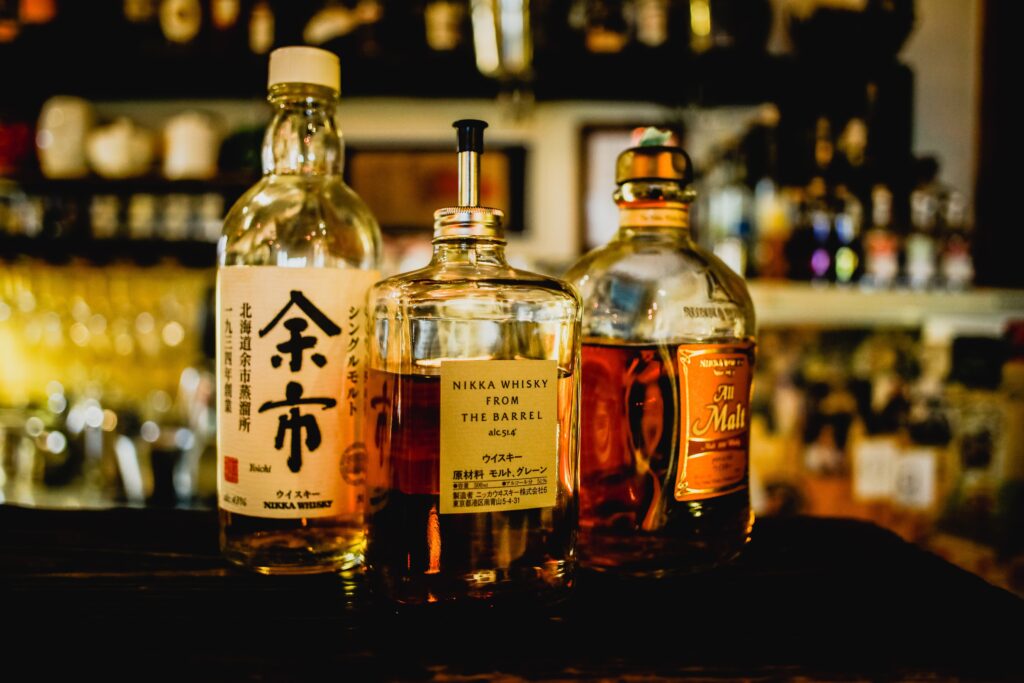
These days the Japan Spirits & Liqueurs Makers Association – a government-recognized body and not a government body – summarized the necessary rules for the production of Japanese whisky with a view to “preventing illegality and protecting the consumer, helping to improve the quality”. So, after the Scottish, Irish and Canadian ones, the Japanese version of the distillate also has its own 'papyrus' – inspired by the Scottish one and which will come into force on April 1st, on the occasion of the beginning of the new fiscal year in the Land of the Rising Sun – which determines some fundamental limits. To discover the gaps and some not so immediate details, We delved into the matter with the bar manager of the Florentine secret bar Rasputin Daniele Cancellara, which has made the theme one of its strong points.
 What are the rules to follow?
- The grains (malted) and water, unlike before, must necessarily come from Japan
- The three phases of sweetening, fermentation and distillation – the alcohol content of which at the beginning cannot exceed 95% vol. – must take place in a distillery in Japan.
- The distillate must be transferred into wooden barrels that do not exceed a capacity of 700 L, in which it must age for at least three years (previously in Japan it could be defined as whisky even from the day after)
- Bottling must take place in Japan
- The alcohol content of the final product cannot be less than 40% vol.
- The addition of caramel for colouring purposes is permitted.
Was it really necessary?
“Yes, without a shadow of a doubt. Up until now there were vague laws that allowed the production of Japanese whiskies that had very little of Japanese about them. With the entry into force of this regulation there will be far fewer Japanese whiskies, both because the entire process will have to take place in Japan – up until now even the aging phase alone could be done in the country – and because all blends that also contained Japanese whiskies will no longer be able to bear the wording Japanese whisky”.
Which whiskies will this apply to?
“All whiskies, on sale from April 1st. The regulation will be retroactive on labels already on the market, only starting from 2024. Although not all whisky producing companies join the association, the regulation will concern all companies that intend to produce Japanese whisky”.
Which whiskies will still be considered Japanese?
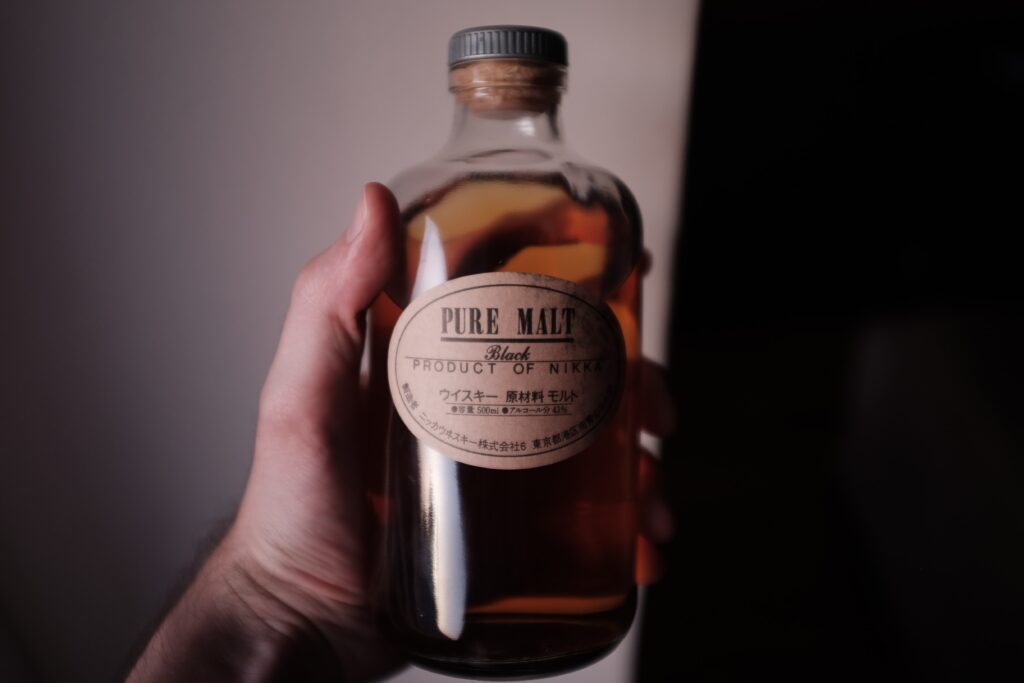
Single malts produced entirely in Japan exclusively with national raw materials and blended ones made from whiskies entirely produced in Japan, such as Ichiro's Malt Japanese Pure Malt Whisky Double Distilleries.
Which whiskies will no longer be Japanese?
The so-called World Blended, a term created by Chichibu to indicate a whisky resulting from a blend of spirits from different countries of the world. From the first of April the whiskies that will carry this term could increase significantly.
Which companies will be most affected?
All the realities that have always imported large quantities of raw materials. From the entry into force of the new regulation, in fact, to produce Japanese whisky it will be allowed to import only peat. This could lead to an increase in the national production of barley, which can only grow in a limited way due to the limited amount of free cultivable land.
How many Japanese whiskies were there before and how many will there be after?
From the year of the birth of the product, 1924, to today, the labels have grown considerably, especially in recent years. If the ten distilleries active in Japan today produce a hundred references, after April 1st only a tenth of these can still be named as such.
Are there any gaps in the regulation?
Yes, while it will not be possible to indicate 'Japanese whisky', 'Nihon whisky' and 'Japan Whisky' or elements that refer to Japan for whiskies that can no longer be defined as Japanese, nothing has been said, and therefore prohibited, about the use of ideograms and letters of the Japanese alphabet.
Will there be a price increase?
It is possible that single malts, on which we have already recorded an increase of 250% in the last 20 years, will cost more because the raw material will only come from Japan. I do not believe the same will be true for blended ones.
At Rasputin, where you have always done a great deal of research on the subject, how will you behave?
My approach to the product will not change. If a good whisky that I used before is no longer definable as Japanese, I will use it anyway. That said, I am happy that this regulation has been issued, because it will allow greater clarity on a spirit that has not been regulated until now.
 [:]