

[:en]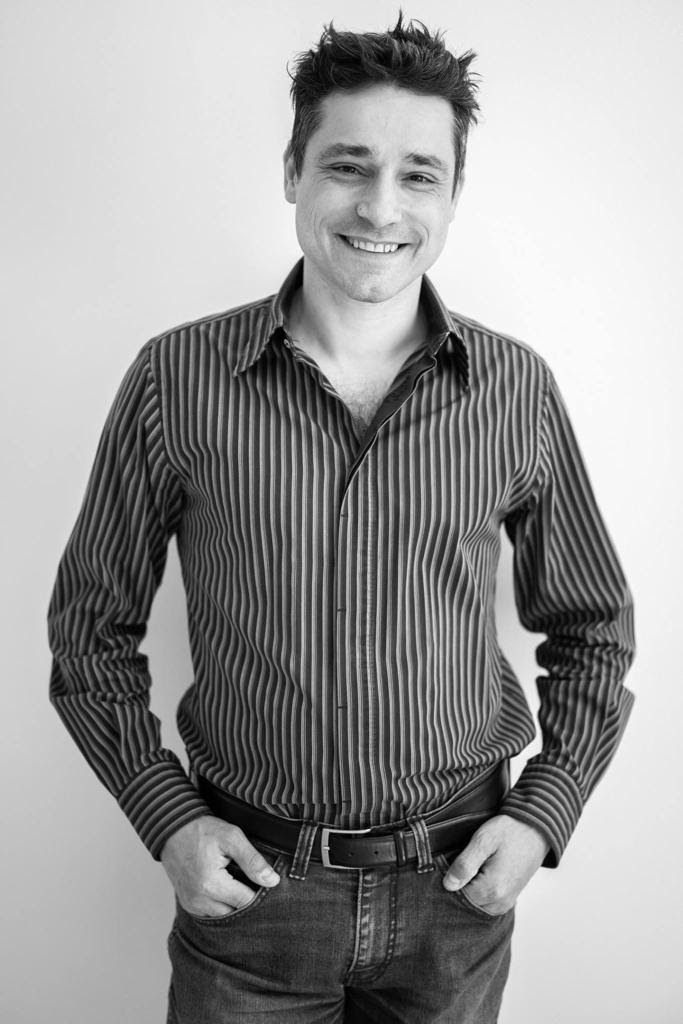
Knowing the Land of the Rising Sun more by chance than by will, Lorenzo Ferraboschi has been an ambassador of Japanese culture in Italy for several years. The trading activity he started with his wife Maiko has been followed by the opening of new and different businesses, with one thing in common: Japan.
What are your origins and background? When and why did you decide to take your first trip to Japan?
I was born in 1977 in Piacenza. I studied Architecture at the Polytechnic of Milan, specializing in industrial design and a month after graduating, in October 2000, I left for Japan. There was a design competition announced by the University for the inauguration of a fashion showroom in the center of Tokyo. I sent my idea, it was approved and so I left Europe. At the beginning, for obvious language reasons, it was very difficult for me but in a short time I managed to settle in and appreciate Japanese culture. After a few years I went to work at Sony to take care of interface design then, after a freelance experience, I went to Samsung, where I designed cell phones, MP3s, home theaters and televisions.
Why did you decide to return to Italy? What did you do initially?
I realized that that job was no longer what I wanted to do. At the age of 28, in 2009, I decided to return to Italy with Maiko, whom I married. I immediately understood that the same design skills that were required in Japan were not required in Italy. In the meantime, thanks to the years spent in Asia and the training of Maiko, a journalist and gastronome, the Japanese began to ask us if we could act as intermediaries for the purchase of Italian ingredients. At first it was a pastime, then we decided to open a company, FT srl, which is still our first job. For years we learned about the products by visiting companies – from Parmigiano to Prosciutto Crudo di Parma to Balsamic Vinegar – and we passed this information on to those who asked for it. This created a fruitful word of mouth that led to foreign companies supplying, including hotel chains.
When did you decide to start several sake-themed businesses?
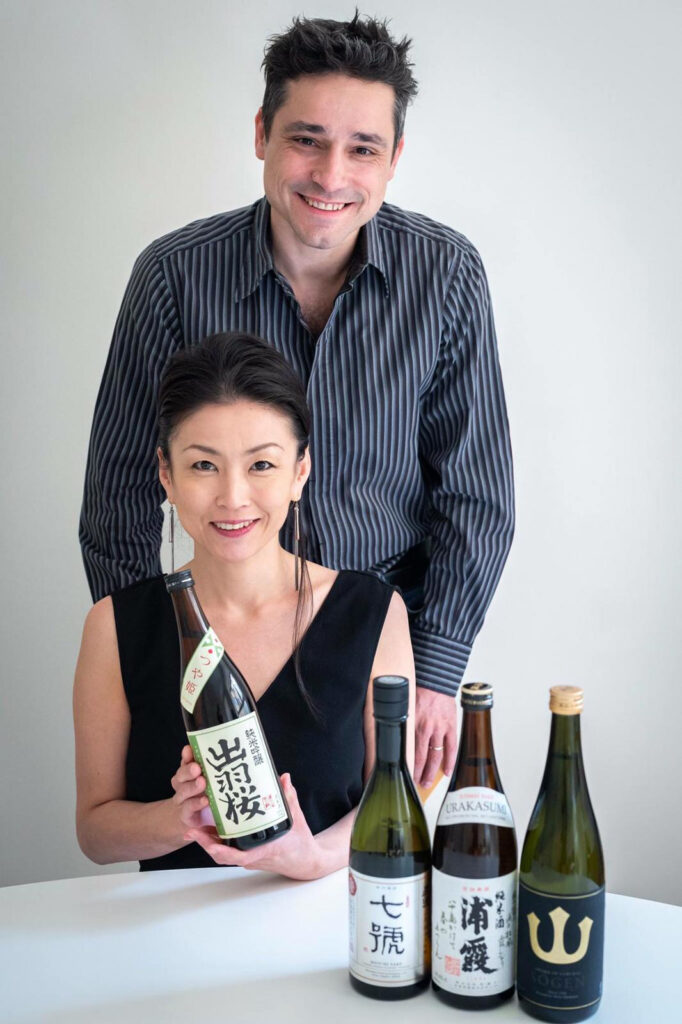
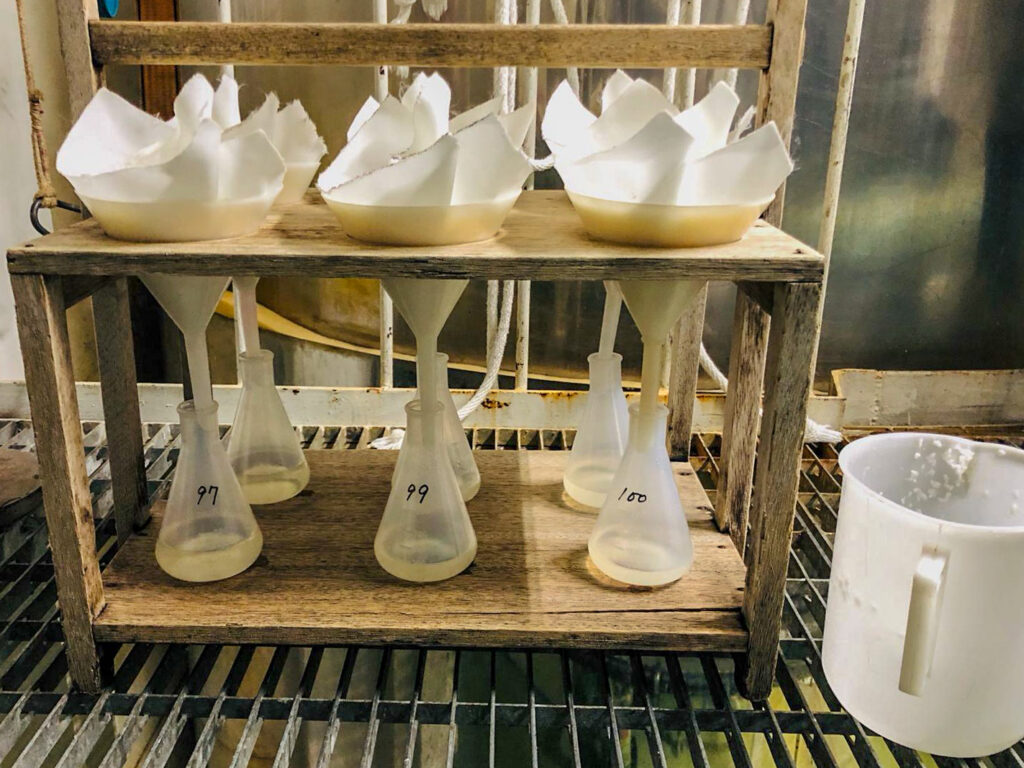
In 2014, the para-governmental organization Jetro, based on the response to sake in London and Paris, had drawn up a report in which it said that the same success could be replicated in Italy. At that time I was an amateur sake enthusiast and, given the arrival of the Expo in Milan, I decided that I wanted to know it in detail in order to be able to describe it adequately. So, in 2015, I decided to create, together with my wife and two other friends, the first online shop entirely dedicated to fermented rice, Sake Company. Following this idea, the Sake Sommelier Association contacted me and asked me if I would be willing to become the Italian partner of the association. I accepted and, after completing all levels of the sommelier course, I became their first spokesperson in Italy. In just over 6 months, Sake Company had become the Italian point of reference in the world of sake.
What commitments do you carry out in Sake Company and Sake Sommelier Association?
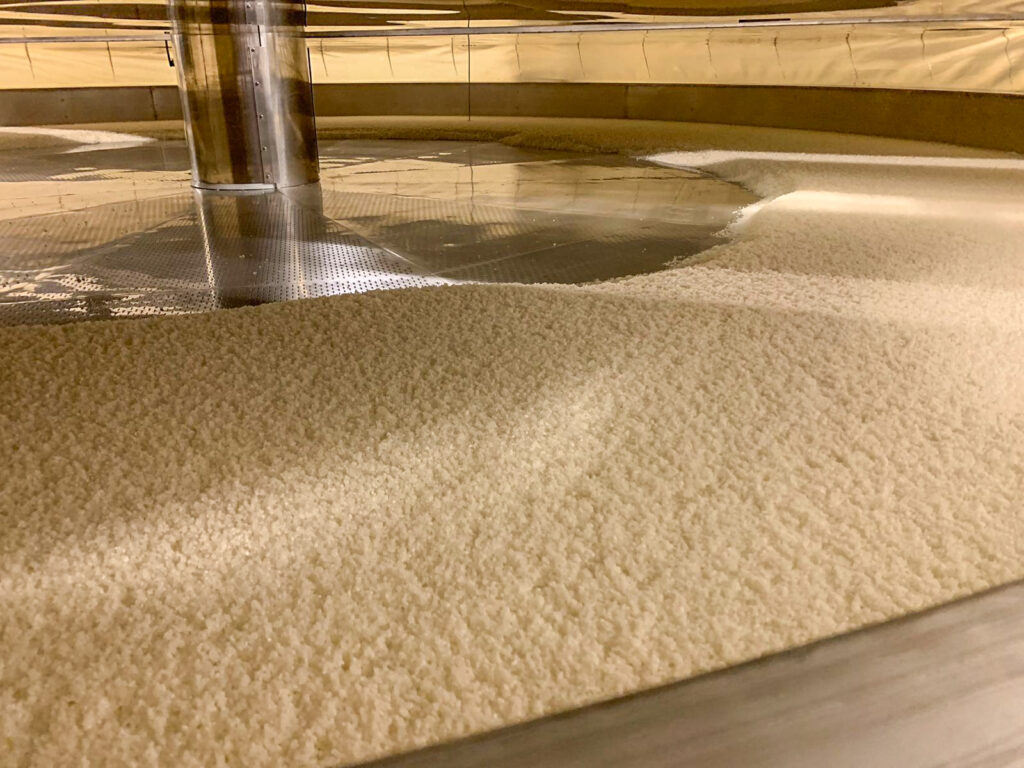
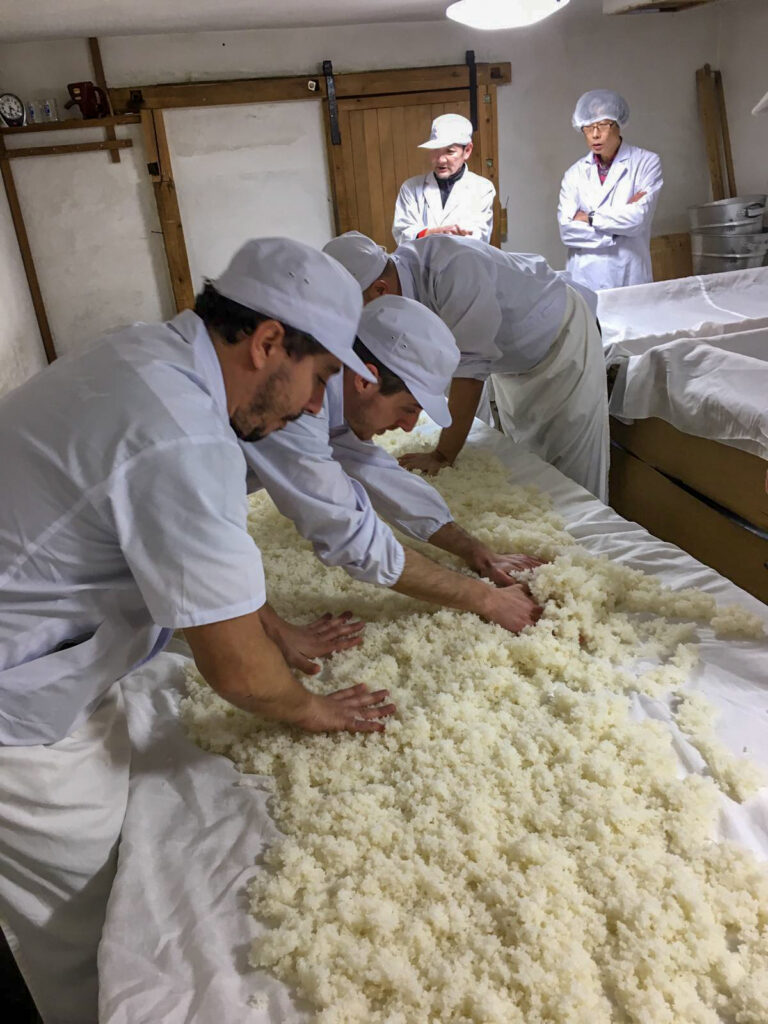
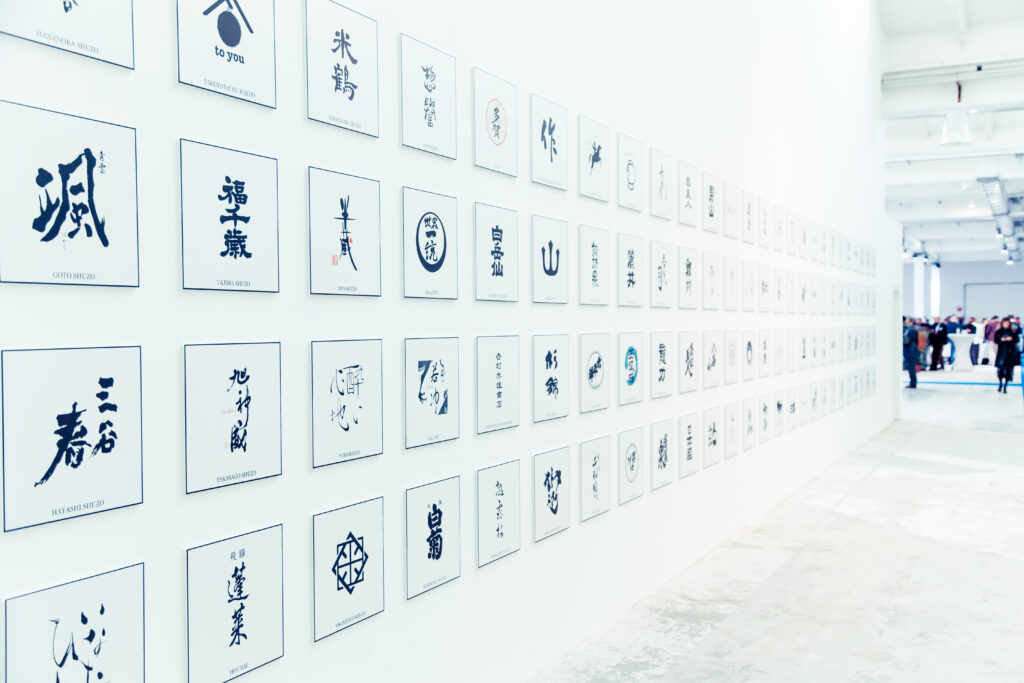
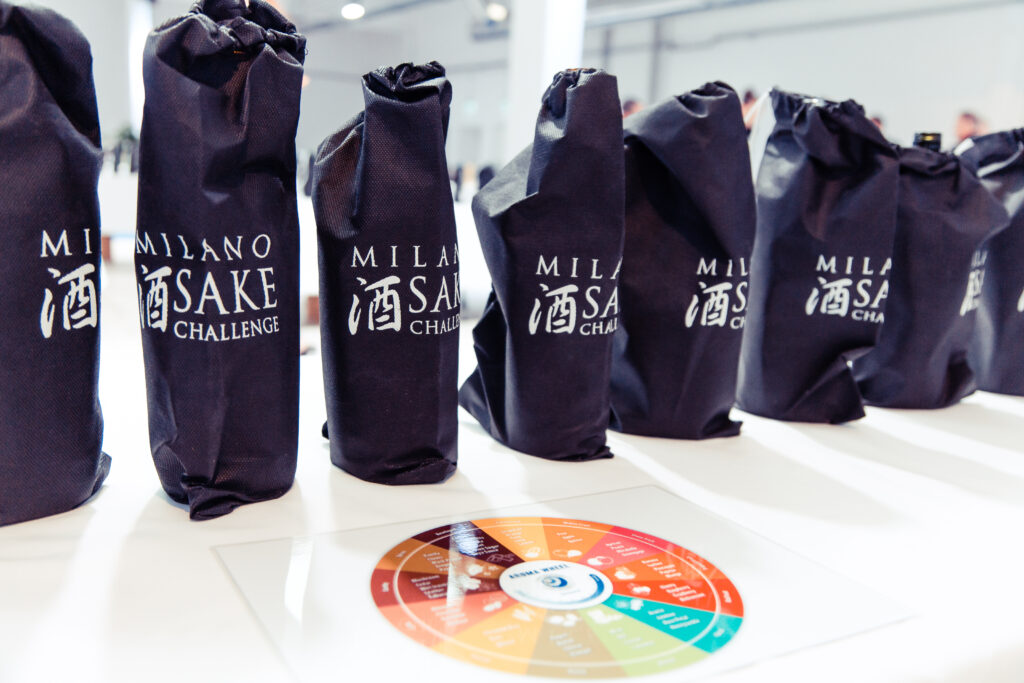
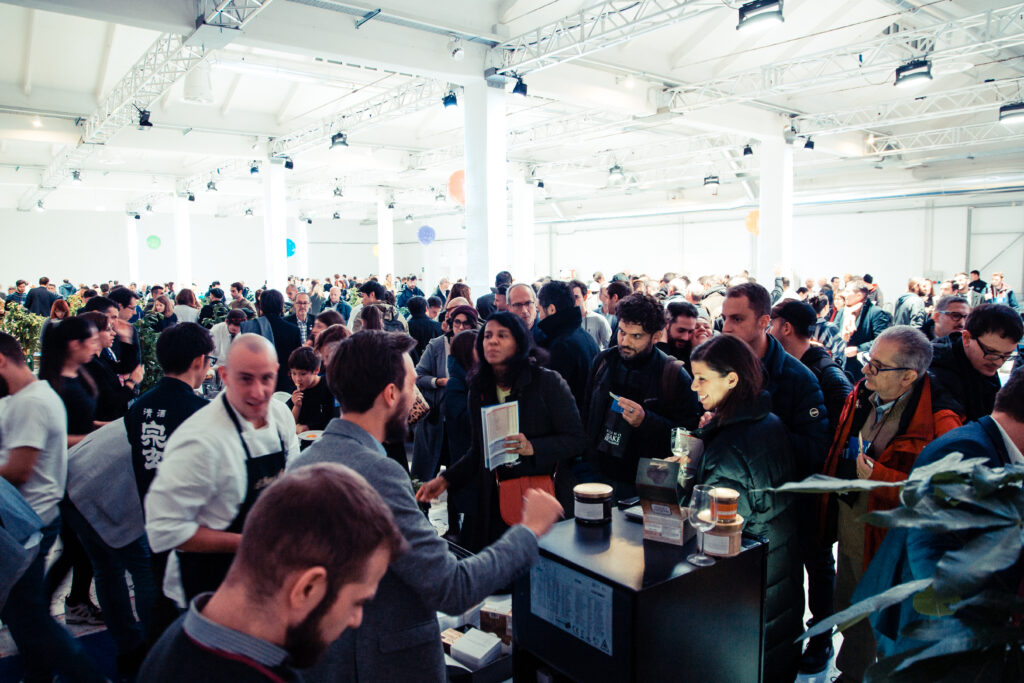
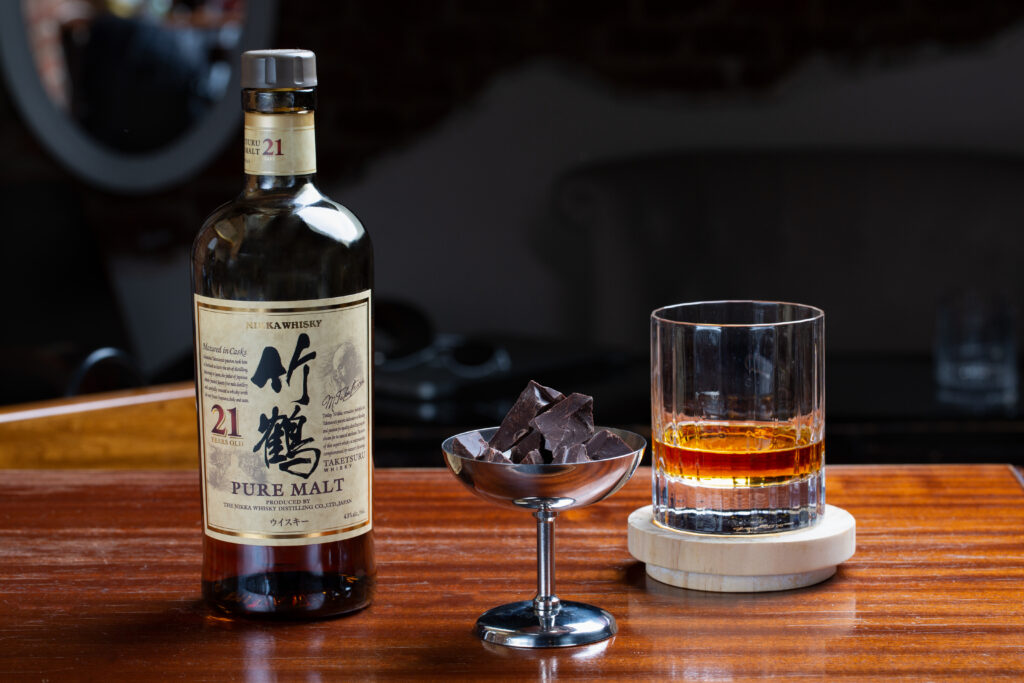
In addition to being the first entirely dedicated store, Sake Company was also the incubator of the first Milano Sake Challenge, a themed event whose first edition took place in 2019. 109 producers participated with 600 types of sake and around 3-4000 visitors, to whom we made discover the drink also in its many pairing ways - chocolate, oysters, etc ... - in the Fuori Milano Sake Challenge. While this discussion is temporarily stopped, we instead continue the courses - in the Sake Sommelier Association - to become sommeliers up to the advanced level, in which we take the members to Japan. Although they are two realities that almost overlap, in some ways, it is ethically right to keep them separate.
Why did you open Sakeya?
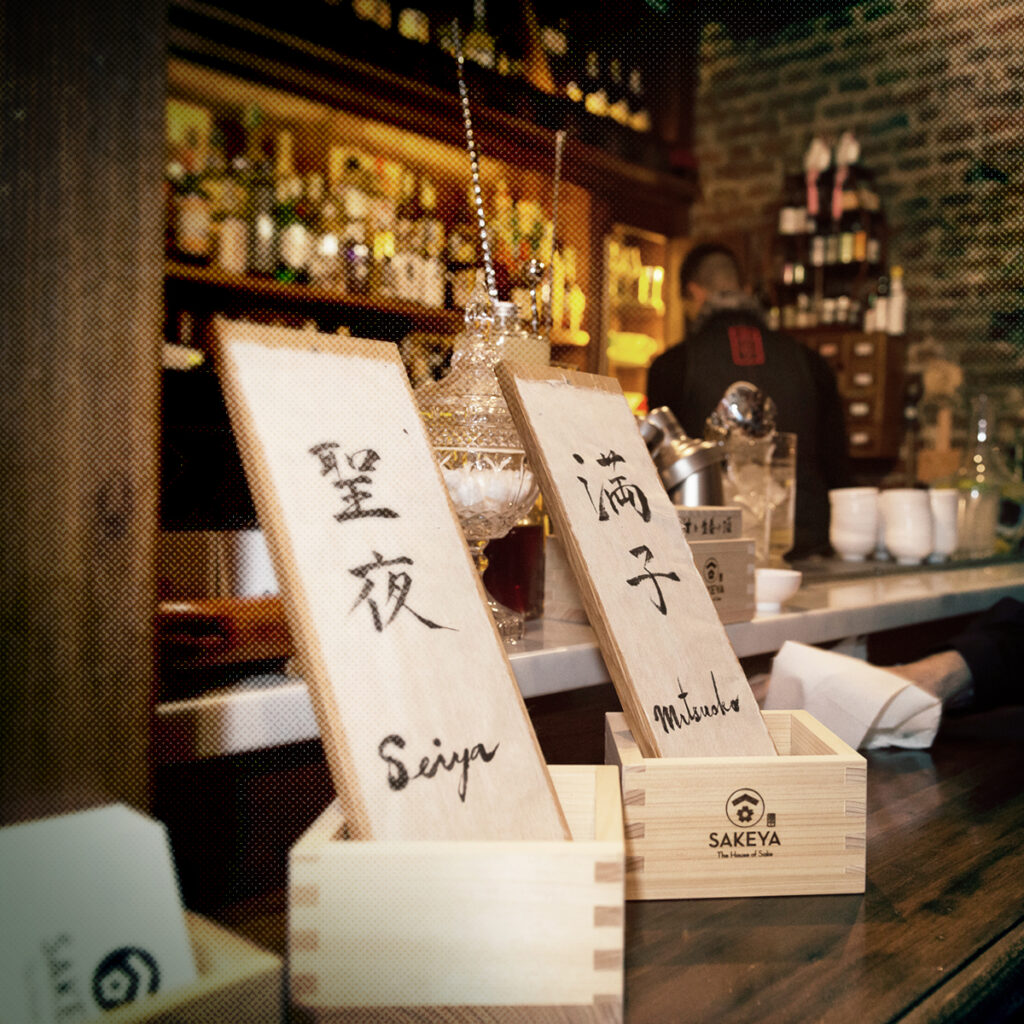
Because a few years ago I wanted to have a physical store where I could distribute courses and offer Sake Company products. So, after a trip to Japan among the sakagura – the sake production houses – and looking for the necessary funds, in December 2016 I oversaw the opening of 'the first sake house', a place where you can appreciate sake in its many guises. It is a bistro where chef Masaki Inoguchi's cuisine is offered in combination with sake and where I am currently taking care of the administrative and organizational support part. Another place where I collaborate in a similar way is Carico Milano, my only "not fully Japanese" project, a project that I decided to start together with the bar manager and friend Domenico Carella, for the great friendship and mutual respect we have for each other. It is a place that we opened to fill a void in Milan, that of a container of ideas that knows how to give equal importance to food and drink, offered at accessible prices and with great research work.
Do you have any other projects underway, not necessarily involving sake?
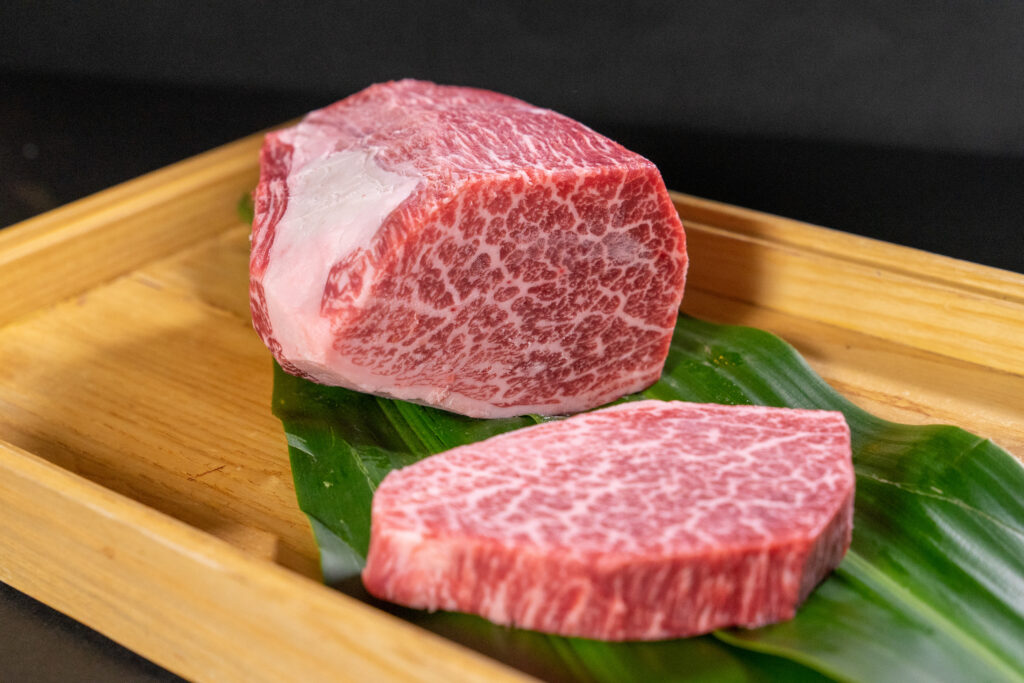
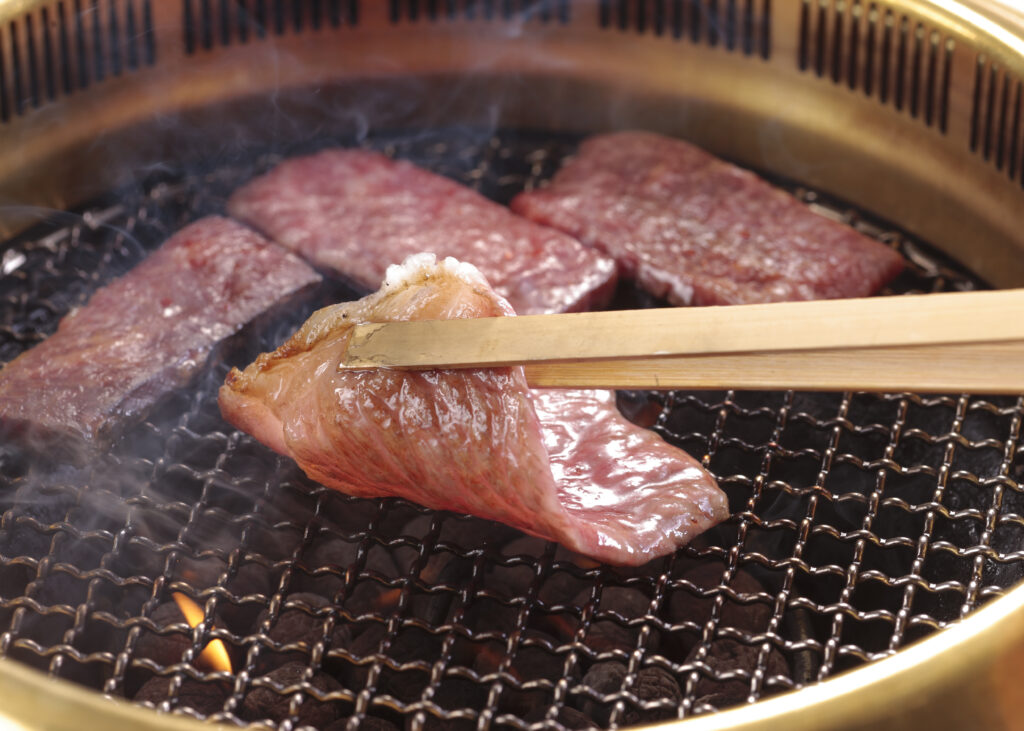
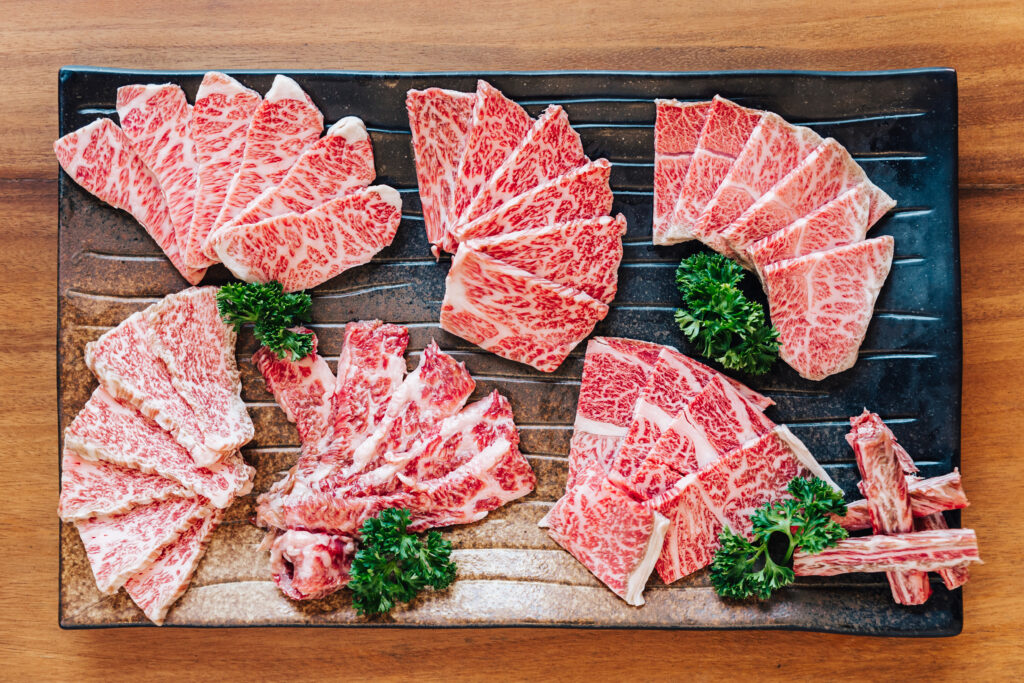
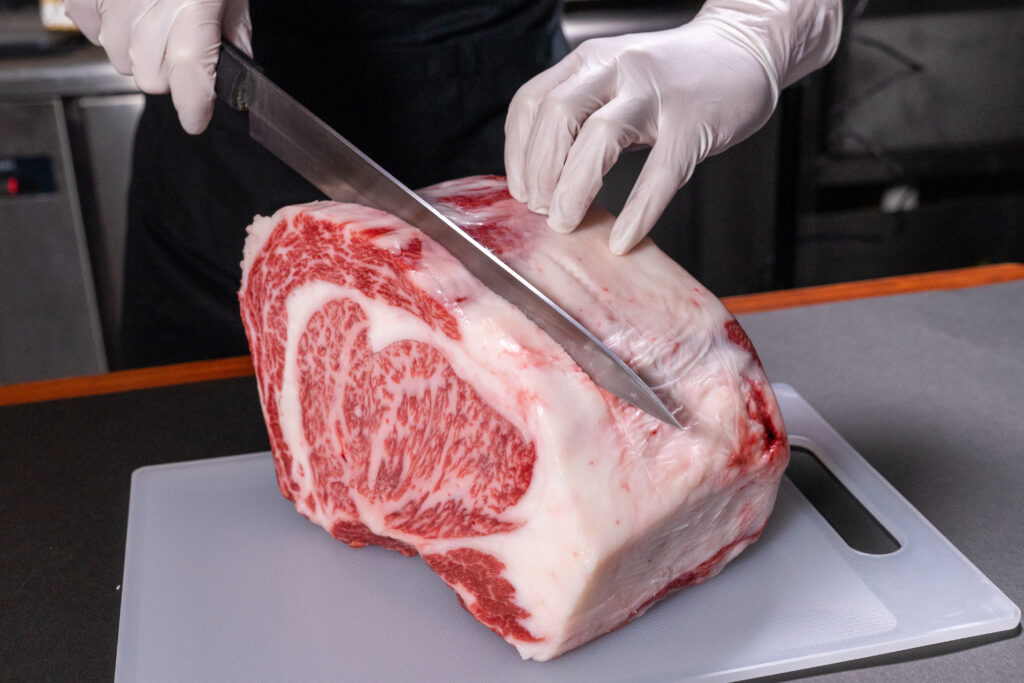
Yes, two years ago together with Maiko, mindful of the success of sake in Italy, we understood that in addition to sake, we could also bring value and culture to the world of Japanese Wagyu beef, so we decided to replicate the sake experience by applying it to Wagyu beef, so we started a vertical distribution company specialized initially only in B2B. It's called Wagyu Company and, since December we have decided to extend it to private individuals as well, since, with the advent of Covid-19, the entire target on which we had built our project was missing. When we only addressed the B2B sector, we received many requests from private individuals and we knew that, sooner or later, we would take this step. Now we are able to deliver throughout Italy at a controlled temperature, cuts with perfect aging, deliveries take place the day after the order in Milan (up to 72 hours in the islands). We have had to adapt to the different needs, focusing on products suitable for home consumption, such as minced meat or hamburgers, unlike before, when we sold selected types of cuts only upon reservation to restaurants, hotels, airlines, shipping companies and catering.
How does Wagyu Company stand out from the competition? What are the best-selling products?
In two aspects: organization and traceability. On our site the cuts are not organized by anatomical part, but by intended use. If the consumer wants to try the experience of the Japanese grill, then he will buy (for example) the yakiniku, the ready-made cut. We also want to provide the end consumer with the tools to know where his cut of meat comes from, thanks to a code through which it is possible to see where the animal was born, where it grew up, where it was slaughtered and at what age, a fundamental factor that is almost never taken into consideration. Italian users prefer to buy products that are closest to what they consume daily, such as steak or hamburger, while Japanese users prefer cuts ready for traditional cuisine - the maltagliati (kiriotoshi), or what remains of the other cuts, and the fat - because the added value of wagyu lies precisely there.
Another project that was born recently is Gourmet Japan. What is the idea behind it and when did it date back?
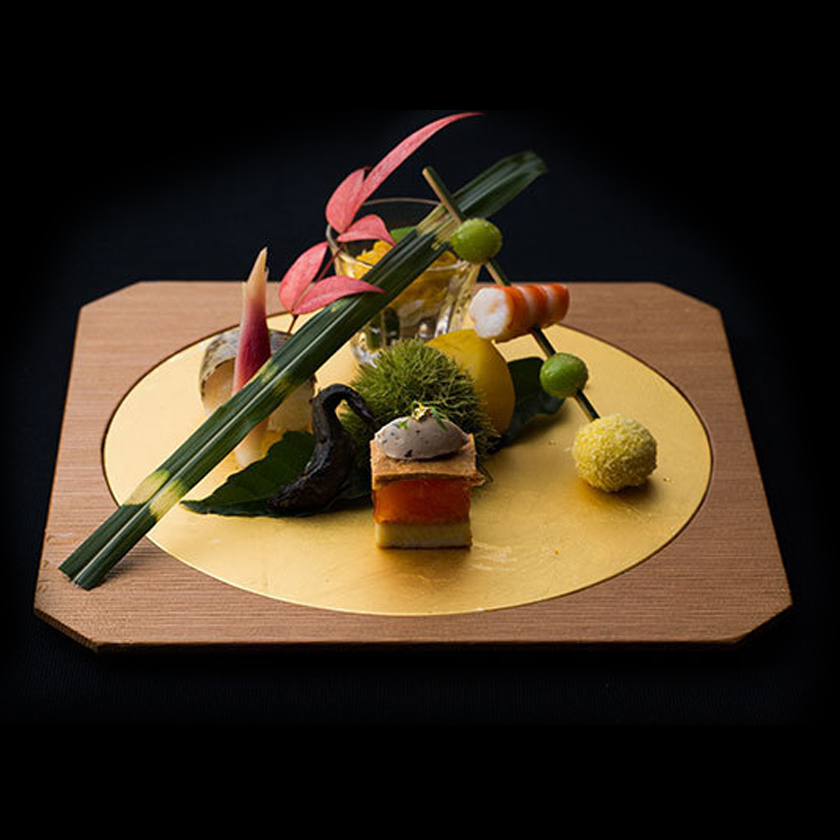
Gourmet Japan is the youngest, largest and most difficult project. It was born as a place where every small producer makes available their products, exclusively for Italy, that can be used in traditional Japanese recipes or to give vivacity to Italian ones. We have chosen to make a careful selection of companies, gradually increasing, that have managed over time to distinguish themselves for a niche production and for a consistent result over time. The project was born a year and a half ago and started on December 20th. It took us a long time to select the first producers. As with Sake Company and Wagyu Company, we deliver throughout Italy to both professionals and private individuals. The idea is that it becomes a platform where you can get information on any aspect of Japanese culinary culture: from ingredients, to recipes, from tools to travel.
 [:]





